highly conditional on the performance of other countries
2010 UNFCCC Climate Summit in Cancún – Smell The Coffee !
The hype is less this year … and I bet that not too many politicians will be appearing in front of the cameras at the end of this 2010 United Nations Framework Convention on Climate Change (UNFCCC) Summit … which is being held in Cancún, Mexico … from Monday, 29 November until Friday, 10 December 2010.
If you want to follow what’s happening closely … go to the Official UNFCCC WebSite … and check out the Daily Conference Programme, here, at this address … http://unfccc.int/conference_programme/items/5769.php
.
Let us not forget that the result of last year’s debacle … the 2009 Copenhagen Accord … was an unofficial, political agreement between a small number of Heads of State, Heads of Government, Ministers, and Heads of Delegation – Brazil, South Africa, India and China (BASIC) and the USA – who attended the Copenhagen Climate Change Summit, which concluded on Saturday, 19th December 2009. Since then, many countries have made voluntary submissions, i.e. they are not legally binding, to Appendices I and II of the Copenhagen Accord.
An initial overview of the submissions made by Developed Countries, however, revealed the following about the voluntary emissions targets being undertaken …
- they are highly conditional on the performance of other countries ;
- they are disappointing, being well below what is required to cap the planetary temperature rise at 1.5 degrees Celsius ; and
- there is no consistent emission base year … varying from 1990 and 1992, up to 2000 and 2005.
This is very far from being a signal of serious intent from Developed Countries … and is not … in any way, shape or manner … an acceptance of historical responsibilities. It would be reasonable, therefore, to surmise that the process of achieving a global, legally binding, consensus agreement on greenhouse gas (GHG) emission reduction targets will be long and difficult. The Climate Change Mitigation Agenda is, to put it mildly, fraught with problems … and has an unclear future in the short term.
.
HOWEVER … Back In The ‘Real’ World … GHG Emissions Continue To Rise !
On 24 November 2010 … the United Nations World Meteorological Organization (WMO) published its Greenhouse Gas Bulletin No.6: ‘The State of Greenhouse Gases in the Atmosphere Based on Global Observations through 2009′.
The WMO Global Atmosphere Watch (GAW) Programme coordinates systematic observations and analysis of atmospheric composition, including Greenhouse Gases (GHG) and other trace species. Measurement data are reported by participating countries and archived and distributed by the World Data Centre for Greenhouse Gases (WDCGG) at the Japan Meteorological Agency.
Even here … it is clearly stated that there are still uncertainties …
2009 Global Observations of Greenhouse Gases (GHG’s) in the Atmosphere
24 November 2010
UN World Meteorological Organization (WMO) Greenhouse Gas Bulletin No.6
Click the Link Above to read and/or download PDF File (3.37 Mb)
EXECUTIVE SUMMARY
The latest analysis of observations from the WMO Global Atmosphere Watch Programme shows that the globally averaged mixing ratios of Carbon Dioxide (CO2), Methane (CH4) and Nitrous Oxide (N2O) reached new highs in 2009, with CO2 at 386.8 parts per million, CH4 at 1803 ppb and N2O at 322.5 ppb. These values are greater than those in pre-industrial times (before 1750) by 38%, 158% and 19%, respectively.
Atmospheric growth rates of CO2 and N2O in 2009 are consistent with recent years, but are lower than in 2008.
After nearly a decade of no growth, Atmospheric CH4 has increased during the past three years. The reasons for renewed growth of Atmospheric Methane are not fully understood, but emissions from natural sources (from northern latitudes and the tropics) are considered potential causes.
The National Oceanic & Atmospheric Administration (NOAA) Annual Greenhouse Gas Index shows that from 1990 to 2009, radiative forcing by all long-lived greenhouse gases increased by 27.5%, with CO2 accounting for nearly 80% of this increase.
The combined radiative forcing by Halocarbons is nearly double that of N2O.
.
Help with the Technical Terms of Climate Change ?
Give it a lash ! Try out the Encyclopaedia of Earth WebSite … an electronic reference about the Earth, its natural environments, and their interaction with society. The Encyclopaedia is a free, fully searchable collection of articles written by scholars, professionals, educators, and experts who collaborate and review each other’s work. The articles are written in non-technical language and are useful to students, educators, scholars, professionals, as well as to the general public.
.
To Mitigate or Adapt ? – Prioritizing a Strategy for the Built Environment
We are already experiencing the adverse impacts of Climate Change ! And even if sufficient and appropriate Climate Mitigation Measures were succeeding … which they patently are not … the timelag between their implementation and any resulting beneficial environmental impacts is too great … half a century, at least … and full of uncertainty.
BUT … since the minimum period for a Sustainable Building in Use is 100 Years, and nothing less than a Recurrence Interval of 100 years should now be used in design calculations for events such as severe storms and flooding, or deluge rainfalls, etc … anyone involved in the design, construction, management or operation of the Built Environment must think ‘long-term’ … today !
In Dublin … buildings which are 250 or 350 years old still look remarkably good, and are well capable of fulfilling an important function within the social and economic environments of the city. ‘Politically’ and ‘technically’, therefore, it would be more appropriate for the Built Environment if we were concerned with the Long-Term Climate Change Adaptation Agenda … rather than a problematic, Short-Term Mitigation Agenda.
In terms of a building … is there really a clear difference between measures undertaken for the purpose of mitigation and those undertaken for adaptation ? For example, measures to incrementally improve energy efficiency and conserve energy, in accordance with short-term legally binding targets, will serve to mitigate CO2 Emissions … but the same measures will also serve to adapt the building to rapidly dwindling supplies of climate-damaging fossil fuels.
The long-term perspective exerts pressure for more radical, but necessary, actions in the short-term.
BUT … should we not already be undertaking these sorts of measures as part of the Mainstream Sustainability Agenda … in order to improve built environment resilience, prolong life cycles … and achieve social wellbeing for all ?
Generally … Climate Change Adaptation encompasses urgent and immediate short, near and long-term actions at local, national, regional and international levels to reduce the vulnerability and strengthen the resilience of the Human Environment, including ecological and social systems, institutions and economic sectors … to present and future adverse effects of climate change and the impacts of response measure implementation … in order to minimize the local threats to life, human health, livelihoods, food security, assets, amenities, ecosystems and sustainable development.
More specifically … Built Environment Climate Change Adaptation means reliably implementing policies, practices, projects and institutional reforms in the Built Environment … with the aim of reducing the adverse impacts and/or realizing the benefits directly/indirectly associated with climate change, including variability and extremes … in a manner which is compatible with Sustainable Human and Social Development.
Wake Up And Smell The Coffee … It’s Time To Get Serious !!!!
.
.
END
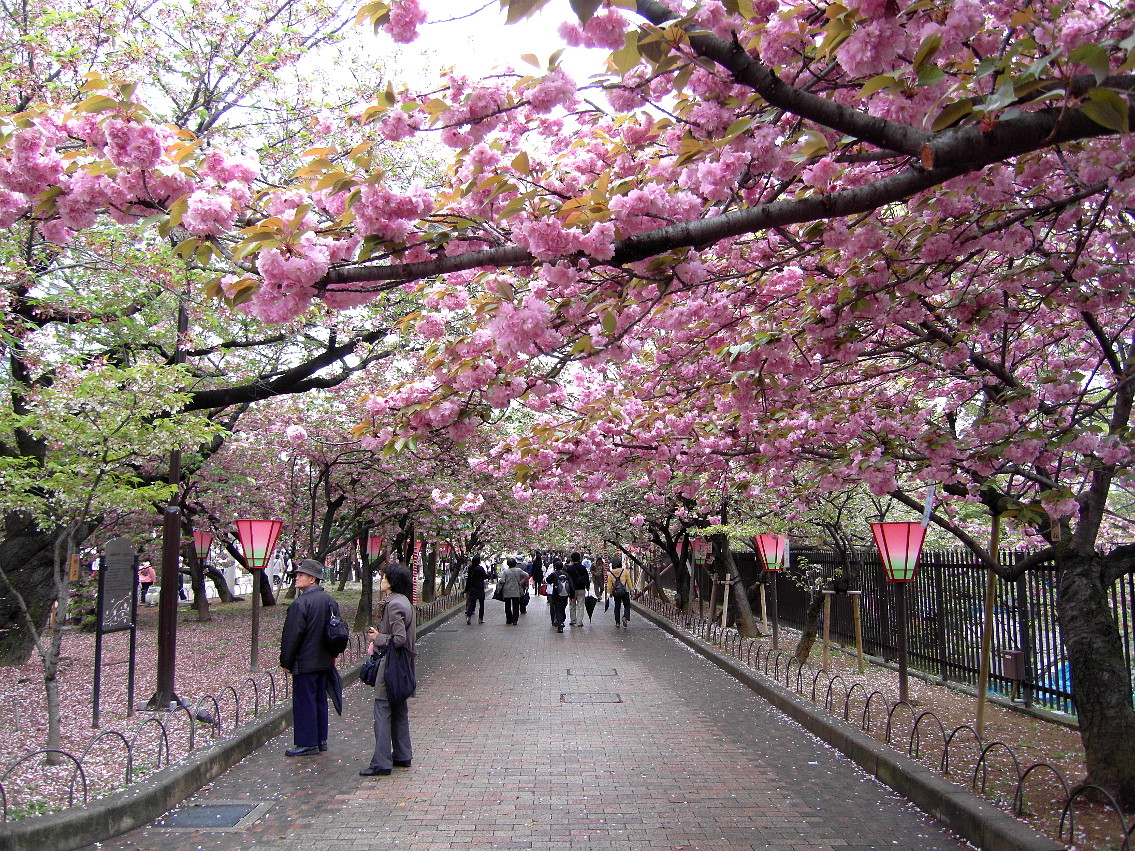
Mitigate or Adapt – Climate Strategy for the Built Environment ?
2010-03-31: Before the official announcement, in New York, of the independent InterAcademy Council (IAC) Review of the WMO/UNEP Intergovernmental Panel on Climate Change (IPCC) … on 10th March 2010 … clear indications had been given, at meetings in the Institute of International and European Affairs (Dublin), that serious question marks hovered over the IPCC, its 2007 4th Assessment Report, Dr. Rajendra Pachauri’s position within the IPCC … the actions of many of the Non-Governmental Organizations (NGO’s) who were at Copenhagen during the 2009 UNFCCC Climate Change Summit … and the Science of Climate Change itself (refer, for example, to revelations following the hacking of e-mails and other data from a server in the University of East Anglia’s Climate Research Unit in England, and the irregularities/errors in the IPCC’s 4th Assessment Report).
The 2009 Copenhagen Accord was a political agreement between a small number of Heads of State, Heads of Government, Ministers, and Heads of Delegation – Brazil, South Africa, India and China (BASIC) and the USA – who attended the Climate Summit, which concluded on Saturday, 19th December. At the time of writing, many countries have made voluntary submissions, i.e. they are not legally binding, to Appendices I and II of the Accord.
A general overview of the submissions made by Developed Countries, however, reveals the following about the Voluntary Emissions Targets being undertaken …
- they are highly conditional on the performance of other countries ;
- they are very disappointing, being far below what is required to cap the planetary temperature rise at 1.5 degrees Celsius ; and
- there is no consistent emission base year … varying from 1990 and 1992, up to 2000 and 2005.
This is very far from being a signal of serious intent from Developed Countries … and is not … in any way, shape or manner … an acceptance of historical responsibilities. It would be reasonable, therefore, to surmise that the process of achieving a global, legally binding, consensus agreement on greenhouse gas (GHG) emission reduction targets will be long and difficult. The Climate Change Mitigation Agenda is, to put it mildly, fraught with problems … and has an unclear future in the short term.
On the other hand, anyone involved in the design, construction, management or operation of the Built Environment must think ‘long-term’ … the minimum life cycle for a sustainable building should be at least 100 years. Today in Dublin, buildings which are 250 or 350 years old still look remarkably good, and are well capable of fulfilling an important function within the social and economic environments of the city. ‘Politically’ and ‘technically’, therefore, it would be more appropriate for the built environment if we were concerned with the Long-Term Climate Change Adaptation Agenda … rather than a problematic, short-term Mitigation Agenda. But, in terms of a building … is there really a clear difference between measures undertaken for the purpose of mitigation and those undertaken for adaptation ? For example, measures to incrementally improve energy efficiency and conserve energy, in accordance with short-term legally binding targets, will serve to mitigate CO2 emissions … but the same measures will also serve to adapt the building to rapidly dwindling supplies of climate-damaging fossil fuels. The long-term perspective will exert pressure for more radical actions in the short-term.
But, should we not already be undertaking these sorts of measures as part of the Mainstream Sustainability Agenda … in order to increase building durability and prolong life cycle ?
Generally … Climate Change Adaptation encompasses urgent and immediate short, near and long-term actions at local, national, regional and international levels to reduce the vulnerability and strengthen the resilience of the Human Environment, including ecological and social systems, institutions and economic sectors … to present and future adverse effects of climate change and the impacts of response measure implementation … in order to minimize the local threats to life, human health, livelihoods, food security, assets, amenities, ecosystems and sustainable development.
More specifically … Built Environment Climate Change Adaptation means reliably implementing policies, practices, projects and institutional reforms in the Built Environment … with the aim of reducing the adverse impacts and/or realizing the benefits directly/indirectly associated with climate change, including variability and extremes … in a manner which is compatible with Sustainable Human and Social Development.
Climate Change Adaptation is one of the most important drivers for Sustainable Design !
.
.
END
Search
Recent Comments
- therese on Accessible Toilet Room in a Japanese Public Place – Kanazawa
- noel on Fixing ‘Priory Hall’ in Dublin – Practical Solutions Needed Now !
- dt on Beautiful Sunset – Turgutreis, Bodrum Peninsula, Turkey
- Cathy on A More Balanced Presentation of Recent UN Gaza Flotilla Report
- Jolyn on New EU Construction Product Regulation 305/2011 – Halleluiah !
Categories
- architecture
- art
- built environment
- cinema
- climate change
- design
- economic environment
- eu law
- european union
- fire
- human & social rights
- human environment
- human health & safety
- institutional environment
- international law
- judicial
- media
- national law
- natural environment
- photography
- political environment
- regulations & standards
- social environment
- sustainability
- technical control
- travel
- virtual environment
| S | M | T | W | T | F | S |
|---|---|---|---|---|---|---|
| « Jan | ||||||
| 1 | 2 | 3 | 4 | |||
| 5 | 6 | 7 | 8 | 9 | 10 | 11 |
| 12 | 13 | 14 | 15 | 16 | 17 | 18 |
| 19 | 20 | 21 | 22 | 23 | 24 | 25 |
| 26 | 27 | 28 | 29 | |||
Links
- 'Spirit of Ireland' Project – National Energy Independence. At last … some 'real' Innovation in this country !
- 2bscene Web Design & Development – Dublin, Ireland.
- AL JAZEERA – News & Views from the ARAB WORLD (1431 H)
- ALBA – Alianza Bolivariana para los Pueblos de Nuestra América / Bolivarian Alliance for the Peoples of Our America
- Amnesty International – Irish Section
- CJ Walsh: Architectural, Design & Technical Control Practice (Ireland, Italy & Turkey)
- Contact Us – Sustainable Design International Ltd. (Ireland, Italy & Turkey)
- Cuba Support Group – Ireland
- Department of the Environment, Heritage & Local Government (DEHLG) – Ireland
- E-PRTR – European Pollutant Release and Transfer Register … a Europe-wide register providing easily accessible key environmental data from industrial facilities in EU Member States and in Iceland, Liechtenstein & Norway.
- EL NACIONAL – News & Views from VENEZUELA
- EU Fundamental Rights Agency – The Agency focuses on the situation of fundamental rights in the European Union (EU) and its 27 Member States.
- EUR-Lex – Full, direct and free access to all European Union (EU) Legislation
- European Consumer Centres' Network (ECC-Net) – European Union (EU) wide network of Consumer Protection Centres, co-sponsored by the European Commission and the Member States. The network comprises 29 Centres … one in each of the 27 EU Member States
- EUROPEANA – Access to Europe’s Cultural & Scientific Heritage though a Cross-Domain Digital Portal
- FireOx International: Fire Engineering Consultancy, Research & Design Practice (Ireland, Italy & Turkey)
- GRANMA INTERNACIONAL – News & Views from CUBA
- HÜRRİYET – News & Views from TURKEY
- Ireland – Information about our Public Institutions, including Pretty Pictures of our green countryside !
- Irish Seed Savers Association … Working to Conserve Irish Biodiversity. They research, locate, preserve & use traditional varieties, cultivars of fruit, vegetables, potatoes & grains.
- James Taylor – Singer & Songwriter
- JOURNAL DE BRASÍLIA – News & Views from BRAZIL
- Kanchi (Ireland) – Changing Society's View of Disability for the Better
- NAVBHARAT TIMES – News & Views (in Hindi) from INDIA
- PRAVDA – News & Views from RUSSIA
- Robert F Kennedy Centre for Justice & Human Rights (USA)
- Rocky Mountain Institute (USA) – Super Energy Efficiency by Design
- RTE Lyric FM – Classical (in its widest meaning !) Music on Irish Radio
- Senator Shane Ross – Ireland's Principal Economics Troubleshooter. What happened to George ?
- Survivors of Institutional Abuse Ireland [SOIAI] – WE (collectively) did not cherish all the children of OUR nation equally !
- Sustainable Design International: Experts in the Theory & Implementation of Sustainable Human & Social Development (Ireland, Italy & Turkey)
- Tom Doyle's Blog :: TALK
- UNFCCC (United Nations Framework Convention on Climate Change) + Kyoto Protocol + COP-15
- United Nations Human Rights Council – Established 15 March 2006
- WikiLeaks – A non-profit media organization dedicated to bringing important news and information to the public.
- WISE – Water Information System for Europe … a single location (portal) where geographically-mapped information on water-related issues can be found for the whole of Europe.
- XINHUA News Agency – News & Views from CHINA
Archives
- January 2012
- December 2011
- November 2011
- October 2011
- September 2011
- July 2011
- May 2011
- April 2011
- March 2011
- February 2011
- January 2011
- December 2010
- November 2010
- October 2010
- June 2010
- May 2010
- April 2010
- March 2010
- February 2010
- January 2010
- December 2009
- November 2009
- October 2009
- September 2009
- July 2009
- June 2009
- May 2009
- April 2009
- March 2009
- February 2009
- January 2009
- December 2008