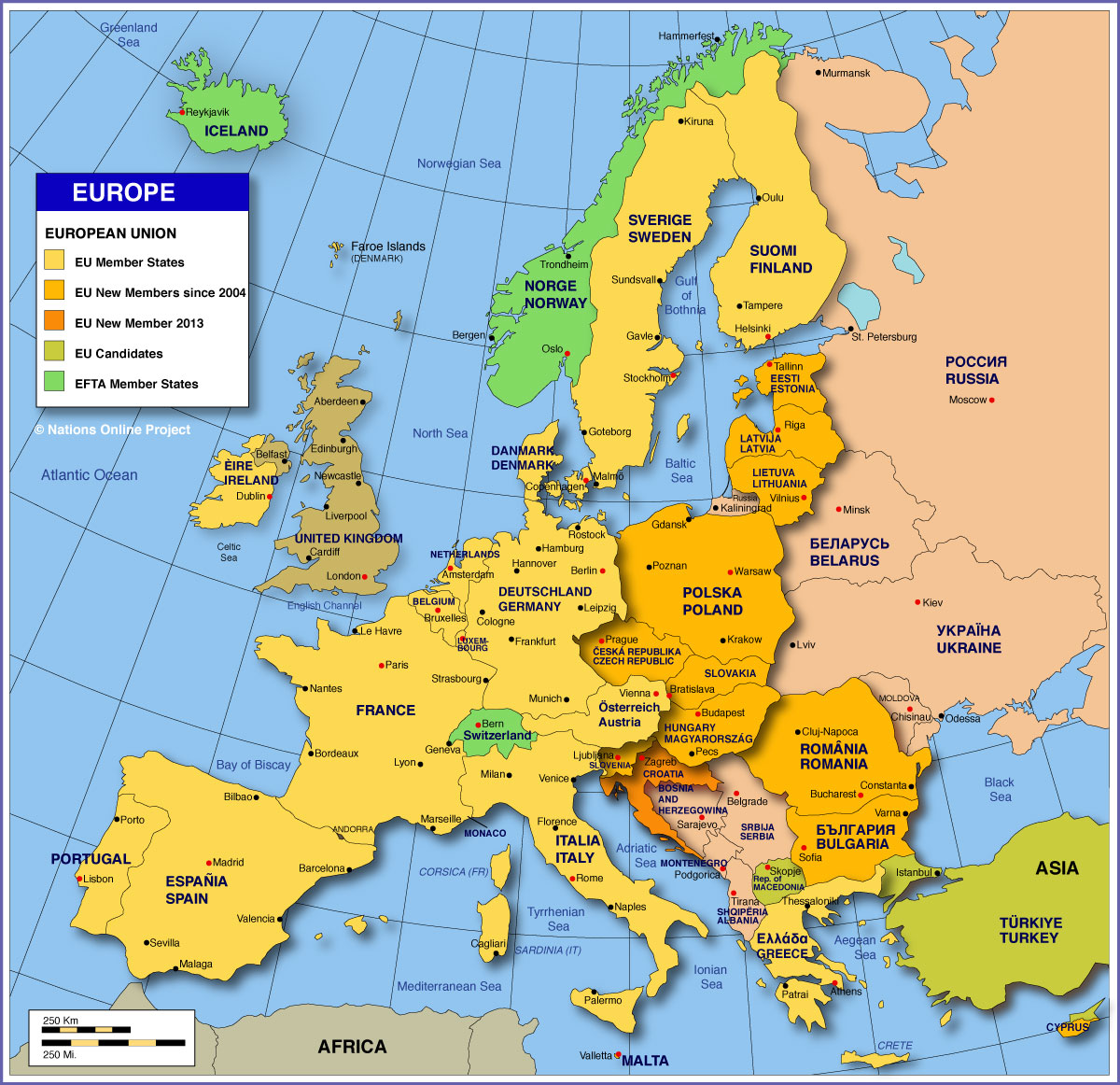
EU
Emergency Services in Europe – Occupational Health & Safety
2012-01-14: I do hope that everyone had a wonderful Christmas and New Year’s Eve ! I spent the time on an interesting project in Cuba … but more about that later.
Before launching into a new, much shorter series of posts on the 2008 NIST WTC Recommendations … I wanted to bring to your attention a related, and recently issued, EU-OSHA Publication: ‘Emergency Services: A Literature Review on Occupational Safety & Health Risks’. It can be downloaded at the end of this post.
I have touched upon this important issue before. AND … unfortunately, the lack of any proper consideration of this issue by Spatial Planners and Building Designers continues to receive insufficient attention at European and International Levels !
In its own explanatory blurb …
‘ The European Agency for Safety and Health at Work (EU-OSHA) contributes to making Europe a safer, healthier and more productive place to work. The Agency researches, develops, and distributes reliable, balanced, and impartial safety and health information and organizes pan-European awareness raising campaigns.
Set up by the European Union in 1996 and based in Bilbao, Spain, the Agency brings together representatives from the European Commission, Member State governments, employers’ and workers’ organizations, as well as leading experts in each of the EU-27 Member States and beyond.’
The EU-OSHA WebSite is located at … http://osha.europa.eu
.
EXECUTIVE SUMMARY – EU-OSHA ‘Emergency Services’ Publication (October 2011)
Emergency Workers comprise large professional groups ranging from career and volunteer firefighters, police officers, emergency medical staff (paramedics - emergency medical technicians - doctors - nurses) to psychologists. In major disasters, rescue workers, technicians from large relief organizations, additional medical staff, military personnel, anti-terrorist forces, body handlers, clean-up workers, construction workers, and numerous volunteers are involved. Depending on the emergency/disaster site, emergency workers need specialization, for instance in water rescue, mountain rescue or rescue from heights. Current environmental, economic, and political developments and trend data all suggest an increase in the severity and frequency of disasters in the future. Phenomena that support this assumption include increased energy use, progressive global warming, climate change and pollution, population growth, dispersal of industrialization around the globe, expansion of transportation facilities, and the growing spread of terrorism. The growing issue of better protection for emergency workers from Occupational Safety and Health (OSH) Risks has been emphasized as a priority by many experts. The demands made upon emergency workers, as well as the OSH Risks they are exposed to, will rise as they are confronted with events greater in both number and severity.
Although the exact number of emergency workers is difficult to estimate, the available figures and the large number of people affected by disasters and in need of immediate help are reliable indicators that emergency workers account for a significant proportion of the European Workforce. Exact numbers can be given for some groups, such as firefighters. According to the report by the International Labour Organization (ILO), in European countries there is on average one firefighter for every 1,000–1,200 inhabitants. There are also a considerable number of volunteer firefighters.
Emergency workers’ priorities are to protect human life, property and the environment, and their most common fields of action include:
- everyday emergencies (road accidents, crime scenes, gas explosions, fires) ;
- natural disasters (floods, storms, fires, earthquakes, volcanic eruptions) ;
- industrial accidents (involving hazardous materials, such as in the nuclear and mining sectors) ;
- transport accidents (major car crashes, plane crashes, rail accidents) ;
- terrorist and criminal attacks (bomb attacks, gas attacks, shootings) ;
- massive public events (negative events during concerts, sport events, demonstrations).
The absolute numbers of emergency workers involved in specific events are often not easy to obtain. Some figures can be found in media reports. Around 4,000 emergency workers were involved during mud spills in Hungary (2010); 5,500 police and emergency workers were mobilised to organize evacuation during crowd panic in Duisburg, Germany (2010); 240,000 emergency workers and 2,000 members of the armed forces dealt with forest fires in Russia (2010); more than 500 emergency workers were sent to a mine explosion in Russia (2010); 2,500 rescue workers, including 1,500 firefighters, were sent to the area affected by an earthquake in central Italy (2009); up to 70,000 emergency workers took part in the massive operation after the terrorist attack at the World Trade Center in New York, including policemen, firefighters, and construction workers (2001); 200,000 recovery workers were involved in clean-up activities in 1986–1987 after the nuclear disaster at Chernobyl (1986).
European emergency workers are often involved in dealing with major catastrophes that happen outside Europe. After the earthquake in Haiti (2010), a 64-member search and rescue team was sent from the UK; more than 500 personnel, particularly rescue workers, were sent by France; 450 troops, 50 doctors, technicians and specialists were sent from Spain; more than 20 emergency workers went from Portugal; a plane with a search and rescue team went from the Netherlands; and three medical teams were sent from Hungary.
All types of emergency workers can be involved in any kind of intervention, and the spectrum of possible demands and risks those workers may encounter is very wide. They may be especially high when the management and preparedness are poor, and there is lack of or insufficient co-ordination, information and communication, lack of training, and inappropriate or insufficient safety and personal protective equipment.
There are some General OSH Hazards and Risks likely to occur in any kind of emergency intervention:
- Demanding work environment: working in remote, difficult to access areas; unstable and extremely difficult weather conditions; and unpredictable hazards at the disaster scene such as the danger of collapse of damaged structures. High risk of violence.
- Emotional and psychological overstrain: dealing with many fatalities and injured people; high responsibility for people’s lives; time pressure; and long, unpredictable working hours.
- Physical overstrain: physically demanding work; insufficient breaks; manual handling (wearing heavy protective equipment, transportation of patients, carrying dead bodies, removal of debris).
Additionally, particular types of emergency events are related to the greater possibility of other, more Specific OSH Hazards. Natural disasters may put emergency workers at risk of:
- water-borne diseases where there is contact with contaminated water (diarrhoea, cholera, typhoid fever, hepatitis A, hepatitis E, parasitic diseases, rotavirus, and shigellosis) ;
- infectious (tuberculosis) and blood-borne diseases (HIV, hepatitis B, and hepatitis C) as a consequence of contact with survivors and dead bodies, and the possibility of infection transmitted by needle-stick injuries ;
- vector-borne diseases (malaria, dengue, St. Louis encephalitis, and West Nile fever) transmitted by mosquitoes ;
- respiratory and asthmatic problems, including asphyxiation, heat stress, and the carcinogenic effects of volcanic eruptions, landslides and earthquakes, and fires leading to significant release of ash and gases, and dust ;
- being trapped or seriously injured by debris, working in confined spaces, drowning, confrontation with wild, aggressive or infected, domestic animals.
Industrial Accidents may lead to:
- fatalities, serious injuries, and short and long-term health problems stemming from accidents caused by explosions, followed by fires and the release of toxic substances; the health consequences may include headache, confusion, fainting, agitation, delirium or convulsions, respiratory complaints, cardiovascular complaints, renal failure, eye and skin problems and gastrointestinal problems ;
- severe health consequences such as burns, skin diseases, and incurable diseases including different kinds of cancer, Acute Radiation Syndrome (ARS) and death as a result of nuclear radiation.
Transport Accidents may involve:
- the risk of being struck by a passing vehicle ;
- specific risks associated with accidents involving the transport of dangerous substances, hazardous materials, or stemming from burning fuel or chemicals used in vehicles which have ignited or exploded.
Terrorist and Criminal Attacks may involve:
- unfamiliar, unpredictable, confused, and complex scenarios ;
- the risk of death or serious injury, injury from weapons and the prospect of being taken as a hostage ;
- the risk of being exposed to chemical and radiological hazards ;
- a possibility of bio-terrorism using biological agents such as smallpox, anthrax, botulism, tularaemia, and viral haemorrhagic fevers which can be easily disseminated or transmitted from person to person and cause high mortality.
Negative Events during Massive Public Events may lead to:
- specific risks, varying from scenario to scenario, including fire, collapsing buildings, violence, terrorist attacks ;
- specific hazards stemming from violent behaviour and the unpredictable acts of a panicking crowd, such as people trying to escape from a confined space.
.
Emergency Workers are exposed to a combination of many different risks and there may be many possible consequences for their safety and health. Possible OSH outcomes have been explored by the analysis of relevant statistics and studies.
Although the risk of Fatalities caused by burn injuries is considered to be relatively small, these kinds of accidents continue to happen. Data from the UK shows that in the period 2003–2008, 22 firefighters died on duty, significantly more than in the previous five years. From February 1996 to October 2002, there were no recorded fire deaths in the UK among firefighters who actually attended fires, whereas in the years 2002–2005 13 firefighters were killed at fires. These statistics do not include fatal heart attacks which happened during the emergency intervention, nor road traffic accidents in transit to or from the accident. Statistics on fatal accidents indicate that in the US, 43% of firefighters’ deaths in 2009 were caused by sudden cardiac death, 34% by internal trauma, 6% by asphyxiation, 6% by stroke, 6% by ‘other’ causes, 4% by burns, and 1% by gunshot. The high prevalence of fatalities due to cardiovascular overexertion among firefighters (triggered, for instance, by the emergency alarm that abruptly terminates sedentary activity and begins intense exertion, the very high heart rates recorded during firefighting, exposure to extreme heat, and wearing of heavy protective equipment) has been confirmed by many studies. Also at high risk are emergency medical staff and ambulance personnel. Fatal accidents can occur as an immediate consequence of vehicle-related accidents, homicides (a higher prevalence of this among emergency medical workers compared to other medical staff has been reported), and terrorist attacks (such as the hundreds of emergency workers who died in the aftermath of the 2001 attack at the World Trade Center). In Sweden in 2002, 80% of emergency paramedics reported being threatened or experiencing physical violence. Fatalities are also related to radiological exposure caused by industrial accidents. Out of 237 emergency workers involved in the 1986 disaster at Chernobyl and later diagnosed with acute radiation syndrome (ARS), 28 died from ARS in the following months, and a further 19 in the years afterwards.
Available statistics indicate the significant prevalence of Non-Fatal Accidents and Injuries among emergency workers. For instance, the number of non-fatal accidents suffered by firefighters in Finland ranged between 500 and 600 per year during the period 2005–2007 out of a total population of about 19,000 firefighters. German data shows that accidents while moving, such as being struck or hit by objects, are the most prevalent, following those involving manual handling and dealing with dangerous, sharp, pointed, stiff, or rough-textured objects. In 2004–2005, the most frequent non-fatal accidents among workers in the fire services of the United Kingdom were injuries while handling, lifting or carrying (41.3%), followed by slips, trips or falls on the same level (27.6%) and being hit by a moving, flying or falling object (8.9%). Many other studies confirm that back injuries and upper and lower extremity injuries related to transportation of patients and manual handling are the most common types of injuries experienced by emergency workers, leading to many types of musculoskeletal disorders.
In the last 25 years, the Psychological Trauma suffered by emergency and rescue workers has gained the attention of scientists. Although studies show that the majority of rescue workers may experience stress that does not necessarily lead to diagnosable mental disorders, a variety of symptoms such as strong emotional reactions (shock, anger, guilt, helplessness), cognitive reactions (disorientation, lack of concentration), physical reactions (tension, fatigue, pain, racing heartbeat) and social effects (isolation from family and friends) may for some time after an incident have a negative impact on workers’ wellbeing. More serious problems such as acute stress disorder, depression, anxiety, and post-traumatic stress disorders (PTSD) have also been diagnosed. A Swedish study indicates a prevalence of between 3% and 25% of PTSD among rescue workers there. In the USA, the national prevalence of PTSD for the general population was recorded at 4%, whereas the highest reported prevalence for a particular group was 25% among rescue workers and 21% among firefighters. Higher rates of ‘burnout’ and problems with substance abuse have also been recorded in these groups, compared to the general population.
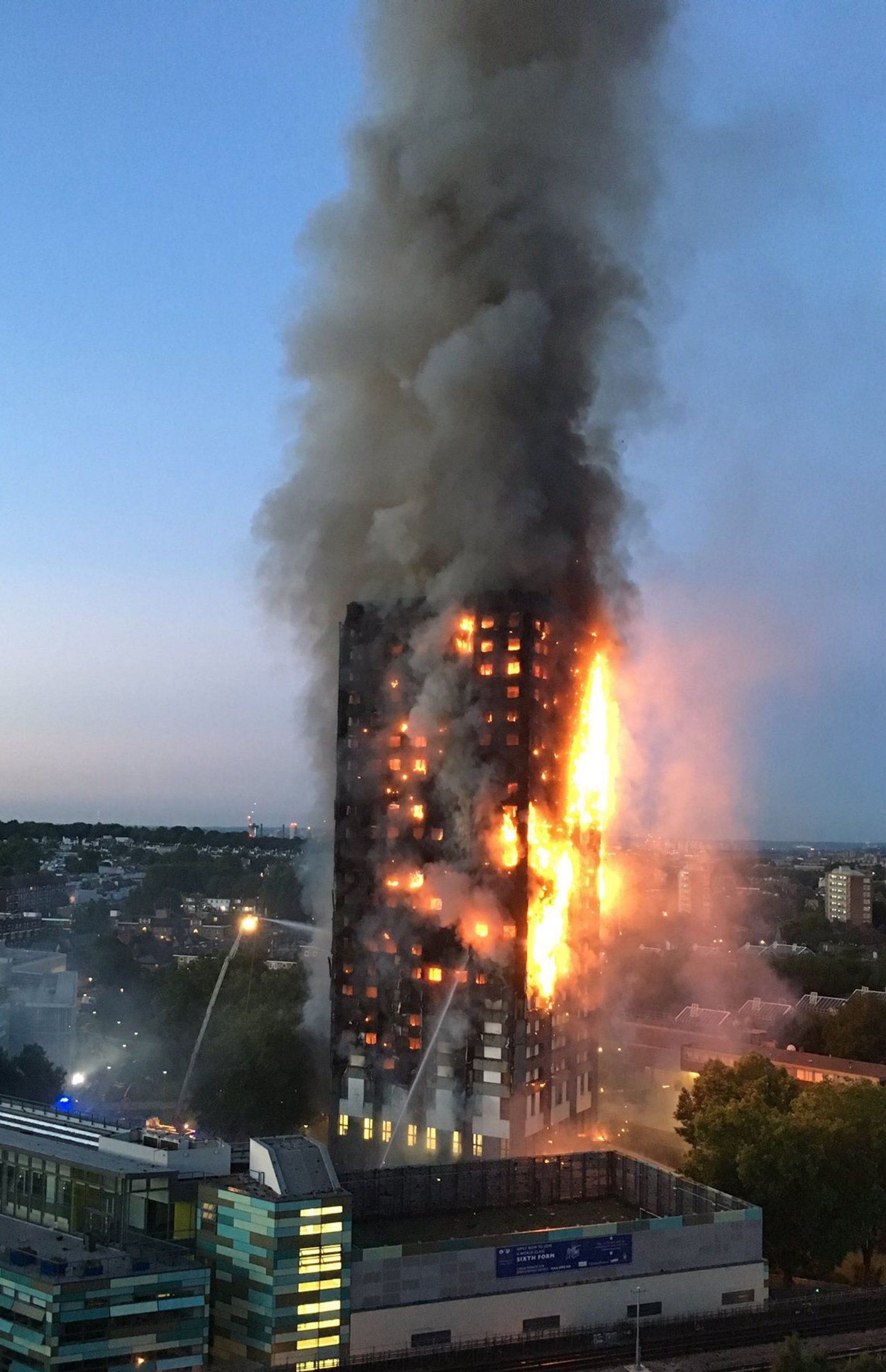
Occupational Diseases described in the literature are related to the development of different types of cancer as a consequence of radiological exposure, such as the increase in cases of thyroid cancer revealed in a study of Russian emergency workers involved in the Chernobyl disaster. There are also several epidemiological studies which refer to respiratory disorders experienced by emergency workers, including firefighters, rescue workers, clean-up workers, and police officers who were exposed for several months to dust and hazardous toxic pollutants at the WTC disaster scene, showing that WTC-related lower respiratory symptoms were experienced by 60% and upper respiratory symptoms by 74% of the studied sample. Respiratory symptoms include the ‘World Trade Center cough’, a persistent cough that some workers developed after exposure to conditions at the site, and which was accompanied by respiratory symptoms severe enough to require medical leave for at least four weeks. Other serious health problems caused by exposure to hazardous materials and dangerous combustion products include various types of cancer, asbestosis, skin disorders, changes in biochemical and blood parameters, reproductive problems, and even general shorter life expectancy. Many studies, however, show ambiguous results, and further research in this area is needed.
.
The nature of emergency work makes it impossible to eliminate, or often even significantly reduce, the amount of risk to which personnel are exposed. However, there are many primary and secondary preventive measures which may provide better protection. Some examples of preventive measures at international and national levels include the development of common co-operation and communication procedures, and the introduction of specific laws or policies to protect emergency workers.
Preventive measures at the company level include:
- better management (communication and co-ordination) ;
- comprehensive risks assessment ;
- appropriate preparedness and training (for instance, workers should obtain knowledge about what hazards can be encountered at the disaster scene, the possible physical and mental reactions to them, and how to protect themselves against negative outcomes) ;
- vaccination ;
- providing appropriate personal protective equipment, protective clothes, safety equipment (for instance, gas detectors, radiation alarm systems, mosquito nets), and ergonomic equipment (firefighter robots, syringe needles that incorporate safety features) ;
- providing primary and secondary prevention of mental health problems (psychological preparedness, post-intervention psychological support and help, and long-term psychological care when needed) ;
- long-term care and health surveillance alongside mandatory medical examinations, including workplace health promotion projects that provide workers with appropriate and safe keep-fit facilities.
Although major disasters and accidents are always to be expected, past disasters and more recent events demonstrate that communities are still often not fully prepared for dealing with major disasters. It is also clear that the protection of emergency workers against OSH Risks exhibits shortcomings. This literature review indicates some areas in which additional research and actions are necessary. General preventive measures begin with reducing the vulnerability of people to disasters, and reducing the severity of the damage that might be caused by a disaster, resulting in a smaller number of emergency workers needed to take part in disaster control. The OSH of Emergency Workers should be also taken into consideration in the earliest stages of building design, such as by making it possible for lifts to be used during an emergency, and in the formation of emergency response plans at international, national, and organisational level. Rehearsing different terrorist attack scenarios can serve as a way to predict possible hazards for emergency workers. Also essential is the further development of personal protective and other safety equipment, especially against multiple hazards and bio-terrorism, and taking into consideration the possibility of physical overstrain and the difficult working environment of emergency workers. Further longitudinal research on the negative health effects of dangerous substances is needed, including studies on the toxicological properties of the combustion of new products which are constantly being developed and introduced to the market.
.
EU-OSHA – October 2011
Emergency Services: A Literature Review on Occupational Safety & Health Risks
Click the Link Above to read and/or download PDF File (1.32 Mb)
.
.
END
NIST WTC Recommendations 21-24 > Improved Firefighting
Previous Posts in This Series …
2011-10-25: NIST’s Recommendations on the 9-11 WTC Building Collapses … GROUP 1. Increased Structural Integrity – Recommendations 1, 2 & 3 (out of 30)
2011-11-18: NIST WTC Recommendations 4-7 > Structural Fire Endurance … GROUP 2. Enhanced Fire Endurance of Structures – Recommendations 4, 5, 6 & 7
2011-11-24: NIST WTC Recommendations 8-11 > New Design of Structures … GROUP 3. New Methods for Fire Resisting Design of Structures – Recommendations 8, 9, 10 & 11
2011-11-25: NIST WTC Recommendations 12-15 > Improved Active Protection … GROUP 4. Improved Active Fire Protection – Recommendations 12, 13, 14 & 15
2011-11-30: NIST Recommendations 16-20 > Improved People Evacuation … GROUP 5. Improved Building Evacuation – Recommendations 16, 17, 18, 19 & 20
.
2011-12-04: SOME PRELIMINARY COMMENTS …
1. Such is the pervasively high level of both direct and indirect fire losses, not all of which have yet been identified … that a force of committed firefighters, having sufficient numbers and properly trained and equipped, is a valuable social asset in any community … and one not to be weakened or diluted easily.
2. Lack of discipline among firefighters was an issue during the day of 9-11 (11th September 2011) in New York …
In real life or death situations, however, discipline is essential … but competent and efficient command, control and co-ordination … facilitated by reliable systems of communication (human and electronic) … are critical.
And accurate, real time information about what is happening at a building fire incident of whatever scale … i.e. situation awareness … is a tool which propels forward and encourages the effective functioning of both the firefighter and the user/occupant evacuating the building.
3. A serious gap, internationally … a deep cavern … in the awareness, training and education of firefighters at all levels … is the issue of ‘disability’ and the varying range of abilities in a typical building user/occupant profile.
It is not fully appreciated by firefighters that certain people may die if placed in a standard fireman’s lift position … or, if shouted and screamed at, many people may have no understanding whatever of the firefighter’s intended meaning … or that, in order for everyone to reach a place of safety, it is necessary for firefighters to ensure that safe, accessible routes from the building (i.e. clear of all obstacles, e.g. fire hose lines) are prepared for, thoroughly, in advance of any fire incident … and actually provided should one occur.
Panic attacks during an emergency do exist ! Standard movement times for people evacuating do not exist !! And … firefighters may themselves become impaired during a building fire incident !!!
4. As for building designers … where do I even start ?? Much could, and should, be done in the design and initial construction of a building to assure firefighter safety. But … where does any requirement to consider this issue appear in national building codes/regulations ??
I have already discussed this matter in relation to European Union (EU) Regulation 305/2011 on Construction Products, where such a requirement is contained in Basic Requirement for Construction Works 2: ‘Safety in Case of Fire’ (Annex I).
.
2005 NIST WTC RECOMMENDATIONS
GROUP 6. Improved Emergency Response
Technologies and procedures for emergency response should be improved to enable better access to buildings, response operations, emergency communications, and command and control in large-scale emergencies.
NIST WTC Recommendation 21.
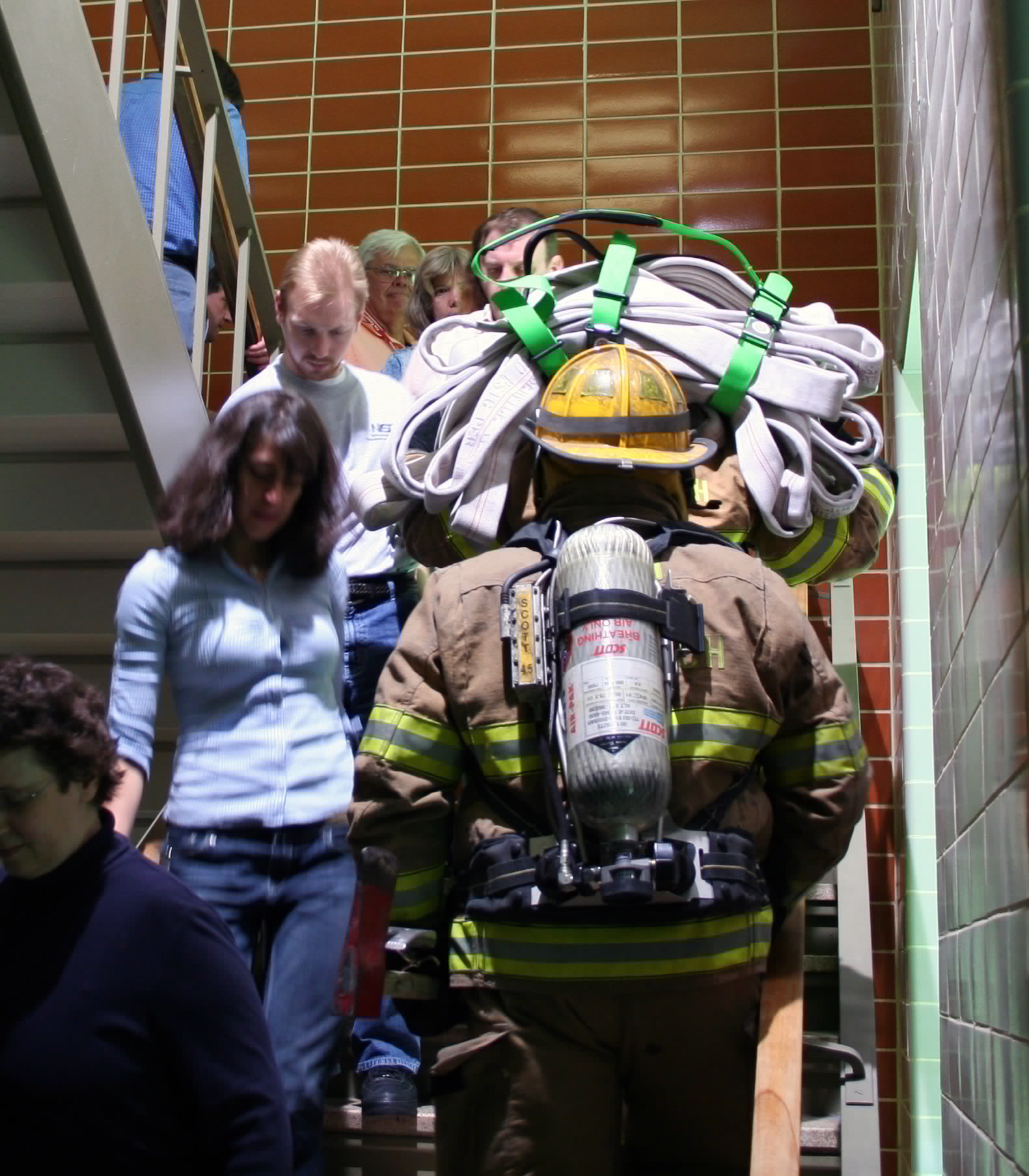
NIST recommends the installation of fire-protected and structurally hardened elevators to improve emergency response activities in tall buildings by providing timely emergency access to responders and allowing evacuation of mobility-impaired building occupants. Such elevators should be installed for exclusive use by emergency responders during emergencies.* In tall buildings, consideration also should be given to installing such elevators for use by all occupants. NIST has found that the physiological impacts on emergency responders of climbing numerous (e.g. 20 or more) storeys makes it difficult to conduct effective and timely firefighting and rescue operations in building emergencies without functioning elevators. The use of elevators for these purposes will require additional operating procedures and protocols, as well as a requirement for release of elevator door restrictors by emergency response personnel.
[ * F-44 The access time for emergency responders, in tall building emergencies where elevators are not functioning and only stairways can be used, averages between 1 minute and 2 minutes per floor, which, for example, corresponds to between 1½ and 2 hours (depending on the amount of gear and equipment carried) to reach the 60th floor of a tall building. Further, the physiological impact on the emergency responders of climbing more than 10 to 12 floors in a tall building makes it difficult for them to immediately begin aggressive firefighting and rescue operations.]
Affected Standards: ASME A 17, ANSI 117.1, NFPA 70, NFPA 101, NFPA 1221, NFPA 1500, NFPA 1561, NFPA 1620, and NFPA 1710. Model Building and Fire Codes: The standards should be adopted in model building and fire codes by mandatory reference to, or incorporation of, the latest edition of the standard.
NIST WTC Recommendation 22.
NIST recommends the installation, inspection, and testing of emergency communications systems, radio communications, and associated operating protocols to ensure that the systems and protocols: (1) are effective for large-scale emergencies in buildings with challenging radio frequency propagation environments; and (2) can be used to identify, locate, and track emergency responders within indoor building environments and in the field. The federal government should co-ordinate its efforts that address this need within the framework provided by the SAFECOM programme of the Department of Homeland Security.
a. Rigorous procedures, including pre-emergency inspection and testing, should be developed and implemented for ensuring the operation of emergency communications systems and radio communications in tall buildings and other large structures (including tunnels and subways), or at locations where communications are difficult.
b. Performance requirements should be developed for emergency communications systems and radio communications that are used within buildings or in built-up urban environments, including standards for design, testing, certification, maintenance, and inspection of such systems.
c. An interoperable architecture for emergency communication networks – and associated operating protocols – should be developed for unit operations within and across agencies in large-scale emergencies. The overall network architecture should cover local networking at incident sites, dispatching, and area-wide networks, considering: (a) the scale of needed communications in terms of the number of emergency responders using the system in a large-scale emergency and the organizational hierarchy; and (b) challenges associated with radio frequency propagation, especially in buildings; (c) interoperability with existing legacy emergency communications systems (i.e. between conventional two-way systems and newer wireless network systems); and (d) the need to identify, locate, and track emergency responders at an incident site.
Affected Standards: FCC, SAFECOM, NFPA Standards on Electronic Safety Equipment, NFPA 70, NFPA 297, and NFPA 1221. Model Building Codes: The standards should be adopted in model building codes by mandatory reference to, or incorporation of, the latest edition of the standard.
NIST WTC Recommendation 23.
NIST recommends the establishment and implementation of detailed procedures and methods for gathering, processing, and delivering critical information through integration of relevant voice, video, graphical, and written data to enhance the situational awareness of all emergency responders. An information intelligence sector* should be established to co-ordinate the effort for each incident.
[ * F-45 A group of individuals that is knowledgeable, experienced, and specifically trained in gathering, processing, and delivering information critical for emergency response operations, and is ready for activation in large and/or dangerous events.]
Affected Standards: National Incident Management System (NIMS), NRP, SAFECOM, FCC, NFPA Standards on Electronic Safety Equipment, NFPA 1221, NFPA 1500, NFPA 1561, NFPA 1620, and NFPA 1710. Model Building Codes: The standards should be adopted in model building codes by mandatory reference to, or incorporation of, the latest edition of the standard.
NIST WTC Recommendation 24.
NIST recommends the establishment and implementation of codes and protocols for ensuring effective and uninterrupted operation of the command and control system for large-scale building emergencies.
a. State, local, and federal jurisdictions should implement the National Incident Management System (NIMS). The jurisdictions should work with the Department of Homeland Security to review, test, evaluate, and implement an effective unified command and control system. NIMS addresses interagency co-ordination and establishes a response matrix – assigning lead agency responsibilities for different types of emergencies, and functions. At a minimum, each supporting agency should assign an individual to provide co-ordination with the lead agency at each incident command post.
b. State, local, and federal emergency operations centres (EOC’s) should be located, designed, built, and operated with security and operational integrity as a key consideration.
c. Command posts should be established outside the potential collapse footprint of any building which shows evidence of large multi-floor fires or has serious structural damage. A continuous assessment of building stability and safety should be made in such emergencies to guide ongoing operations and enhance emergency responder safety. The information necessary to make these assessments should be made available to those assigned responsibility (see related Recommendations 15 and 23).
d. An effective command system should be established and operating before a large number of emergency responders and apparatus are dispatched and deployed. Through training and drills, emergency responders and ambulances should be required to await dispatch requests from the incident command system and not to self-dispatch in large-scale emergencies.
e. Actions should be taken via training and drills to ensure a co-ordinated and effective emergency response at all levels of the incident command chain by requiring all emergency responders that are given an assignment to immediately adopt and execute the assignment objectives.
f. Command post information and incident operations data should be managed and broadcast to command and control centres at remote locations so that information is secure and accessible by all personnel needing the information. Methods should be developed and implemented so that any information that is available at an interior information centre is transmitted to an emergency responder vehicle or command post outside the building.
Affected Standards: National Incident Management System (NIMS), NRP, SAFECOM, FCC, NFPA Standards on Electronic Safety Equipment, NFPA 1221, NFPA 1500, NFPA 1561, NFPA 1620, and NFPA 1710. Model Building Codes: The standards should be adopted in model building codes by mandatory reference to, or incorporation of, the latest edition of the standard.
.
.
END
NIST WTC Recommendations 8-11 > New Design of Structures
Previous Posts in This Series …
2011-10-25: NIST’s Recommendations on the 9-11 WTC Building Collapses … GROUP 1. Increased Structural Integrity – Recommendations 1, 2 & 3 (out of 30)
2011-11-18: NIST WTC Recommendations 4-7 > Structural Fire Endurance … GROUP 2. Enhanced Fire Endurance of Structures – Recommendations 4, 5, 6 & 7
.
2011-11-24: SOME PRELIMINARY COMMENTS …
1. The first of two NIST Publications being referenced in this Series of Posts is as follows …
NIST (National Institute of Standards and Technology). September 2005. Federal Building and Fire Safety Investigation of the World Trade Center Disaster: Final Report on the Collapse of the World Trade Center Towers. NIST NCSTAR 1. Gaithersburg, MD, USA.
The 2005 NIST Report concludes, in Chapter 9, with a list of 30 Recommendations for Action, grouped together under the following 8 Subject Headings …
i) Increased structural integrity ;
ii) Enhanced fire endurance of structures ;
iii) New methods for fire resisting design of structures ;
iv) Enhanced active fire protection ;
v) Improved building evacuation ;
vi) Improved emergency response ;
vii) Improved procedures and practices ; and
viii) Education and training.
NIST has clearly stated that “the numerical ordering (of the Recommendations) does not reflect any priority”.
From my point of view, the 2005 NIST Report is especially noteworthy for the emphasis placed on:
(a) The 3 R’s … Reality – Reliability – Redundancy ;
(b) Evacuation Way Finding … should be ‘intuitive and obvious’ … a major challenge for building designers, since buildings are still typically designed for ‘access’ only. In order to find the evacuation routes in a building, it is usually necessary to have a compass, a map, a magnifying glass, a torch … and a prayer book !!! More about this in later posts …
2. However, following on from NIST’s emphasis on Reality … and just between you, me and the World Wide Web … there is a lot of misunderstanding in the International Fire Science and Engineering Community about what exactly is the Realistic End Condition. But, here it goes …
Realistic End Condition: A ‘real’ fire in a ‘real’ building, which is used by ‘real’ people with varying abilities in relation to self-protection, independent evacuation to a ‘place of safety’, and participation in the Fire Defence Plan for the building.
It is strange, therefore … and quite unacceptable … to have to point out that the Realistic End Condition IS NOT … a test fire or an experimental fire in a laboratory … or a design fire in a computer model, even IF it is properly validated !
3. With regard to Recommendation 8 below … NIST’s contention that “Current methods for determining the fire resistance of structural assemblies do not explicitly specify a performance objective” is not strictly the case.
If we examine Technical Guidance Document B (Ireland) and Approved Document B (England & Wales) once again, as examples close to home … Part B: ‘Fire Safety’ in both jurisdictions should be read in conjunction with its associated Part A: ‘Structure’, which contains a requirement on Disproportionate Damage.
In everyday practice, however, this never happens. Instead, people dealing with Part B in both jurisdictions enter a sort of bubble … a twilight zone … and, if there is anything to do with structural performance in fire, they immediately refer to the Appendices at the back of both Guidance Documents (ignoring Part A altogether) … where we find a ‘single element’ approach to design, no consideration of connections, etc., etc., etc.
And … this fundamental error is further reinforced in Ireland because, under the national system of Fire Safety Certification for buildings, it is only Part B which is relevant.
At European Level, I would make the same point … under EU Regulation 305/2011 on Construction Products … Basic Requirement for Construction Works 2: ‘Safety in Case of Fire’ must be read in conjunction with Basic Requirement 1: ‘Mechanical Resistance & Stability’ … where we will again find a direct reference to Disproportionate Damage … and an indirect, but explicit, reference to Serviceability Limit States under normal conditions of use … including fire !
A major gap … the missing link at international level … is the failure, still, to elaborate and flesh out the structural concept of Fire-Induced Progressive Collapse. More about this in later posts …
4. With regard to Recommendation 10 below … and amplifying my earlier comments concerning Recommendation 6 … the manufacturers of all Lightweight Structural Fire Protection Systems … not just the Sprayed Systems … have a lot to answer for.
Major question marks concerning Life Cycle Durability, and Resistance to Mechanical Damage at any stage in a building’s life cycle, hang over all of these systems.
Fire testing, alone, does not show that a Lightweight Structural Fire Protection System is ‘fit for its intended use’ ! And manufacturers well know this !!!
And as for the Installation of Lightweight Structural Fire Protection Systems on site … it’s a hornets’ nest that nobody wants to touch !
Vested interests … vested interests … vested interests !!!
.
2005 NIST WTC RECOMMENDATIONS
GROUP 3. New Methods for Fire Resisting Design of Structures
The procedures and practices used in the fire resisting design of structures should be enhanced by requiring an objective that uncontrolled fires result in burnout without partial or global (total) collapse. Performance-based methods are an alternative to prescriptive design methods. This effort should include the development and evaluation of new fire resisting coating materials and technologies, and evaluation of the fire performance of conventional and high-performance structural materials.
NIST WTC Recommendation 8.
NIST recommends that the fire resistance of structures be enhanced by requiring a performance objective that uncontrolled building fires result in burnout without partial or global (total) collapse. Such a provision should recognize that sprinklers could be compromised, non-operational, or non-existent. Current methods for determining the fire resistance of structural assemblies do not explicitly specify a performance objective. The rating resulting from current test methods indicates that the assembly (component or sub-system) continued to support its superimposed load (simulating a maximum load condition) during the test exposure without collapse. Model Building Codes: This Recommendation should be included in the national model building codes as an objective, and adopted as an integral pert of the fire resistance design for structures. The issue of non-operational sprinklers could be addressed using the existing concept of Design Scenario 8 of NFPA 5000, where such compromise is assumed and the result is required to be acceptable to the Authority Having Jurisdiction (AHJ). Affected Standards: ASCE-7, AISC Specifications, ACI 318, and ASCE/SFPE 29.
NIST WTC Recommendation 9.
NIST recommends the development of: (1) performance-based standards and code provisions, as an alternative to current prescriptive design methods, to enable the design and retrofit of structures to resist real building fire conditions, including their ability to achieve the performance objective of burnout without structural or local fire collapse; and (2) the tools, guidelines, and test methods necessary to evaluate the fire performance of the structure as a whole system. Standards development organizations, including the American Institute of Steel Construction, have already begun developing performance-based provisions to consider the effects of fire in structural design.
This performance-based capability should include the development of, but not be limited to:
a. Standard methodology, supported by performance criteria, analytical design tools, and practical design guidance; related building standards and codes for fire resistance design and retrofit of structures, working through the consensus process for nationwide adoption; comprehensive design rules and guidelines; methodology for evaluating thermo-structural performance of structures; and computational models and analysis procedures for use in routine design practice.
b. Standard methodology for specifying multi-compartment, multi-floor fire scenarios for use in the design and analysis of structures to resist fires, accounting for building-specific conditions such as geometry, compartmentation, fuel load (e.g. building contents and any flammable fuels such as oil and gas), fire spread, and ventilation; and methodology for rating the fire resistance of structural systems and barriers under realistic design-basis fire scenarios.
c. Publicly available computational software to predict the effects of fires in buildings – developed, validated, and maintained through a national effort – for use in the design of fire protection systems and the analysis of building response to fires. Improvements should include the fire behaviour and contribution of real combustibles; the performance of openings, including door openings and window breakage, that controls the amount of oxygen available to support the growth and spread of fires and whether the fire is fuel-controlled or ventilation-controlled; the floor-to-floor flame spread; the temperature rise in both insulated and un-insulated structural members and fire barriers; and the structural response of components, sub-systems, and the total building system due to the fire.
d. Temperature-dependent thermal and mechanical property data for conventional and innovative construction materials.
e. New test methods, together with associated conformance assessment criteria, to support the performance-based methods for fire resistance design and retrofit of structures. The performance objective of burnout without collapse will require the development of standard fire exposures that differ from those currently used.
Affected National and International Standards: ASCE-7, AISC Specifications, ACI 318, and ASCE/SFPE 29 for fire resistance design and retrofit of structures; NFPA, SFPE, ASCE, and ISO TC92 SC4 for building-specific multi-compartment, multi-floor design basis fire scenarios; and ASTM, NFPA, UL, and ISO for new test methods. Model Building Codes: The performance standards should be adopted as an alternative method in model building codes by mandatory reference to, or incorporation of, the latest edition of the standard.
NIST WTC Recommendation 10.
NIST recommends the development and evaluation of new fire resisting coating materials, systems, and technologies with significantly enhanced performance and durability to provide protection following major events. This could include, for example, technologies with improved adhesion, double-layered materials, intumescent coatings, and more energy absorbing SFRM’s.* Consideration should be given to pre-treatment of structural steel members with some type of mill-applied fire protection to minimize the uncertainties associated with field application and in-use damage. If such an approach were feasible, only connections and any fire protection damaged during construction and fit-out would need to be field-treated. Affected Standards: Technical barriers, if any, to the introduction of new structural fire resisting materials, systems and technologies should be identified and eliminated in the AIA MasterSpec, AWCI Standard 12 and ASTM standards for field inspection, conformance criteria, and test methods. Model Building Codes: Technical barriers, if any, to the introduction of new structural fire resisting materials, systems, and technologies should be eliminated from the model building codes.
[ * F-34 Other possibilities include encapsulation of SFRM by highly elastic energy absorbing membranes or commodity grade carbon fibre or other wraps. The membrane would remain intact under shock, vibration, and impact but may be compromised in a fire, yet allowing the SFRM to perform its thermal insulation function. The carbon wrap would remain intact under shock, vibration, and impact, and possibly under fire conditions as well.]
NIST WTC Recommendation 11.
NIST recommends that the performance and suitability of advanced structural steels, reinforced and pre-stressed concrete, and other high-performance material systems be evaluated for use under conditions expected in building fires. This evaluation should consider both presently available and new types of steels, concrete, and high-performance materials to establish the properties (e.g. yield and ultimate strength, modulus, creep behaviour, and failure) that are important for fire resistance, establish needed test protocols and acceptance criteria for such materials and systems, compare the performance of newer systems to conventional systems, and the cost-effectiveness of alternative approaches. Technical and standards barriers to the introduction and use of such advanced steels, concrete, and other high-performance material systems should be identified and eliminated, or at least minimized, if they are found to exist. Affected Standards: AISC Specifications and ACI 318. Technical barriers, if any, to the introduction of these advanced systems should be eliminated in ASTM E 119, NFPA 251, UL 263, ISO 834. Model Building Codes: Technical barriers, if any, to the introduction of these advanced systems should be eliminated from the model building codes.
.
.
END
‘Greening’ Ireland’s Economy – Will Somebody Please Get Real ?
2011-11-21: The International Labour Office (ILO), in Geneva, and the European Union’s Centre for the Development of Vocational Training (CEDEFOP) … have recently published a Joint Report: ‘Skills for Green Jobs – A Global View’ …
ILO – EU CEDEFOP
‘Skills for Green Jobs – A Global View’ (a synthesis report based on 21 country reports)
Click the Link Above to read and/or download PDF File (5.3 Mb)
The vision is positive … its advice is practical … and the writers actually sound as if they know what they are talking about. And it is evident that the word ‘green’ is used, in this Report, as a simple means of communicating the far more complex concept of ‘sustainable human and social development’, with all of its many different aspects. Judge for yourself by reading the extract from the Executive Summary below.
This Report’s contents also complement, very neatly, what has been said here in many posts … concerning the institutional infrastructure necessary, in societies, to properly implement an effective response to policies of energy conservation and security, climate change and sustainable development.
.
WAYS FORWARD [ Pages xxiv to xxvi, Executive Summary, ILO - EU CEDEFOP Report: 'Skills for Green Jobs - A Global View' ]
It is important to remember that skills are not a poor servant of the economy, expected merely to react and adjust to any change. The availability of a suitably trained workforce capable of further learning inspires confidence that in turn encourages investment, technical innovation, economic diversification and job creation.
Policies Need to be Informed, Coherent and Co-Ordinated
When policies to green the economy and policies to develop skills are not well connected, skill bottlenecks will slow the green transformation, and potential new jobs will be lost. Strategic, leadership and management skills that enable policy-makers in governments, employers’ associations and trade unions to set the right incentives and create enabling conditions for cleaner production and services are an absolute priority.
Environmental awareness as an integral part of education and training at all levels, introduced as a core skill from early childhood education onwards, will eventually push consumer behaviour and preferences and the market itself.
Labour market information for anticipating and monitoring skill needs for green jobs is the critical starting point for effective policy cycles. This enables governments and businesses to anticipate changes in the labour market, identify the impact on skill requirements, incorporate changes into the system by revising training programmes and introducing new ones, and monitor the impact of training on the labour market.
The country studies that told the most successful stories prove the value of effective co-ordination among line ministries and social partners, achieved by creating task forces for human resource development for a greening economy, or by incorporating training and skills issues into a council for environmental development. It is important that the platform for this dialogue has decision-making authority, can establish clear commitments among all those partners involved and allocate human and financial resources to them, and has agreed responsibilities not only for planning but for implementation. A win–win situation can only be achieved if environment, jobs and skills are discussed, planned and implemented in conjunction with each other.
Decentralized approaches can actually promote policy co-ordination and coherence at sectoral and local levels. Direct dialogue between national and regional governments and social partners can be translated into action when commitments and resource allocation occur at a smaller scale and where immediate dividends are obvious for all partners involved. A good combination of top-down co-ordinated policy-making with bottom-up sectoral or local initiatives can support effective training-intensive green transitions.
Policies Need to be Targeted
The transformation to greener economies provides an opportunity to reduce social inequalities. Social justice dictates that training initiatives target those who lose jobs during the transition, especially those who are typically at a disadvantage in the labour market and may require special assistance. The growth dividend from greening the economy will be attained only if access to new training provided as part of green measures is made accessible to disadvantaged youth, persons with disabilities, rural communities and other vulnerable groups. Incentives to increase women’s participation in technical training programmes will not only increase their participation in technology-driven occupations but also help solve the skill shortage problem in this segment of the labour market.
Green Transitions Affect the Entire Training System
Taking into account all three types of skills change – that resulting from employment shifts within and across sectors as the consequence of green restructuring, that associated with new and emerging occupations, and the massive change in the content of established occupations – it becomes clear that the whole training system must be mobilized. Adjusting training programmes to green changes in the labour market is a transversal task across levels and types of education and training.
So far, compulsory level and tertiary education have been catching up rather well, whereas technical and vocational education and training has been lagging behind in adapting to the needs of the green economy. Improving adjustment here can give new impetus to employment-centred and fair green transitions and requires the following key challenges to be met:
- Putting basic skills high on the policy agenda, as a foundation of flexibility and employability throughout the life cycle ;
- Matching classroom and practical training through apprenticeships, internships, job placements, projects on the job etc ;
- Adjusting the length and breadth of training provision according to different types of skills change ;
- Equipping teachers and trainers with up-to-date knowledge on environmental issues and on green technologies – education and training which deals with preparation of teachers and trainers should be one of the first priorities in skills response strategies ;
- Enabling active labour market policy measures (ALMP’s) to take into account green structural change and to provide access to relevant training and other employment activation measures ; and
- Deploying public employment services (PES), as important players in job matching and training, to raise awareness about green business opportunities and related skill needs.
The linchpin of effective skills development for greening the economy is co-ordination. The degree of co ordination between public and private stakeholders and the degree of involvement of social partners are decisive. Concerted measures need to be undertaken by governments at different levels, including the community level, employers and workers, through institutional mechanisms of social dialogue, such as national or regional tripartite councils, sector or industry skills councils, public–private partnerships and the like.
Developing Countries Need Special Measures
Developing countries, and the workers and employers in them, have the least responsibility for climate change and environmental degradation but suffer their economic and social consequences disproportionately. Special measures that can speed their employment-centred green transformations include:
- capacity building for employers in the informal economy and micro- and small enterprises to enter green markets in localities where they are most needed ;
- entrepreneurship training and business coaching for young people and adults to start up green businesses in conjunction with micro-finance projects ;
- environmental awareness among decision-makers, business leaders and administrators as well as institutions of formal and non-formal training systems ;
- capacity building of tripartite constituents to strengthen social dialogue mechanisms and to apply these to dialogue about accessibility of training for green jobs ; and
- increased capacity of formal education and training systems and institutions to provide basic skills for all and to raise the skills base of the national workforce ; this includes improving apprenticeship systems and building synergies with NGO’s that provide education and training.
These measures can only be taken if resources are available. It is therefore recommended that not only national governments but also international partnerships in developing countries take these recommendations into account both in environment programmes and in skills development programmes.
.
‘GREENING’ IRELAND’s ECONOMY ?
Ireland was not one of the countries examined in the ILO / EU CEDEFOP Project. That should tell us a lot !
BUT … just pause for a moment … and meditate on the many skill-related issues arising from the debacle at the Priory Hall Apartment Development, in Dublin.
AND NOW … read the following extracts from recent Irish National Reports … ‘high notions’ from goats in the Kerry Mountains …
The Overarching Vision – Forfás Report: ‘Future Skills Needs of Enterprise within the Green Economy in Ireland’ (November 2010) …
” For Ireland to be the benchmark ‘smart green’ economy for population centres under 20 million by 2015 – and to have the skills base and talent to drive innovative and high value products and services and maximise future business and employment growth potential.”
Final Paragraphs, #7 Conclusions – Review of National Climate Policy (November 2011) …
” In the wider-international context, there are also encouraging signs of a new ‘green growth’ paradigm which emphasises resource efficiency, the protection of natural resources and competitiveness along with the creation of new jobs. A long-term view of how Ireland aligns its economic development with the demands of the growth engines of global commerce should be at the core of a low-carbon development vision. In order to create enabling conditions for selling into these markets, many of which are already gearing up for the green economy, it will be necessary to ensure that the domestic conditions are right to encourage innovation. This can be done by showing environmental ambition and using tools that allow the market to identify solutions. That will require a combination of taking the best of what is working in other countries as well as devising domestically appropriate policies that will place Ireland in the vanguard of countries making the most of the opportunities presented by the green economy.
In terms of a long-term national vision of a carbon-constrained world, Ireland is faced with both the challenge of addressing a unique greenhouse gas emissions profile and the opportunity to position itself as an enlightened society with an environmentally sustainable and competitive, low-carbon economy. Developing the policies to put Ireland on a clear and definite path to achieve that vision is the immediate priority.”
.
Who Are These Moráns ?!? Will Somebody Please Get Real !?!
.
.
END
Corporate Social Responsibility – Updated EU Strategy 2011-14
2011-11-15: The European Commission, in Brussels, recently published a New European Union Policy Document on Corporate Social Responsibility (CSR) … COM(2011) 681 final – Brussels, 2011-10-25.
To access this document … just go down to the EUR-Lex Link on the right hand side of this Page.
The Updated EU CSR Strategy for 2011-2014 signals an important change of direction … more a re-balancing of emphasis … which enterprises, of all sizes, should immediately be aware of … and whether or not these enterprises are located within Europe … or outside, as far away as China, India, Japan, South Africa, the USA or Brazil, etc.
The Updated CSR Strategy also confirms how the merging of the different and interrelated aspects of Sustainable Human & Social Development, i.e. social, economic, environmental, institutional, political and legal … is progressing nicely, and gathering some momentum. We have discussed this issue here many times … and promoted it elsewhere in our work, particularly during the last decade. How time flies !
[ In this last regard, reference should also be made to the United Nations Development Programme (UNDP) 2011 Human Development Report: 'Sustainability and Equity - A Better Future for All', which was launched in Copenhagen on 2 November 2011.]
.
A New Definition for Corporate Social Responsibility (CSR) …
The European Commission puts forward a new definition of CSR as ‘the responsibility of enterprises for their impacts on society’.
Respect for applicable legislation and for collective agreements between social partners are prerequisites for meeting that responsibility. To fully meet their corporate social responsibility, enterprises should have in place a process to integrate social - environmental - ethical - human rights and consumer concerns into their business operations and core strategy in close collaboration with their stakeholders, with the aim of:
- maximising the creation of shared value for their owners/shareholders, and for their other stakeholders and society at large ;
- identifying, preventing and mitigating their possible adverse impacts.
The complexity of that process will depend on factors such as the size of the enterprise and the nature of its operations. For most small and medium-sized enterprises, especially micro-enterprises, the CSR Process is likely to remain informal and intuitive.
To maximise the creation of shared value, enterprises are encouraged to adopt a long-term, strategic approach to CSR, and to explore the opportunities for developing innovative products, services and business models that contribute to Social Wellbeing and lead to higher quality and more productive jobs.
To identify, prevent and mitigate their possible adverse impacts, large enterprises, and enterprises at particular risk of having such impacts, are encouraged to carry out risk-based due diligence, including through their supply chains.
Certain types of enterprise, such as co-operatives, mutuals, and family-owned businesses, have ownership and governance structures that can be especially conducive to responsible business conduct.
.
The Updated EU CSR Strategy elaborates an Action Agenda for 2011-2014 …
1. Improving Company Disclosure of Social and Environmental Information: the new strategy confirms the European Commission’s intention to bring forward a new legislative proposal on this issue.
2. Enhancing Market Reward for CSR: this means leveraging EU Policies in the fields of consumption, investment and public procurement in order to promote market reward for responsible business conduct.
3. Enhancing the Visibility of CSR and Disseminating Good Practices: this includes the creation of a European award, and the establishment of sector-based platforms for enterprises and stakeholders to make commitments and jointly monitor progress.
4. Improving and Tracking Levels of Trust in Business: the European Commission will launch a public debate on the role and potential of enterprises, and organise surveys on citizen trust in business.
5. Better Aligning European and International Approaches to CSR: the European Commission highlights the following …
- OECD Guidelines for Multinational Enterprises ;
- 10 Principles of the UN Global Compact ;
- UN Guiding Principles on Business and Human Rights ;
- ILO Tri-Partite Declaration of Principles on Multinational Enterprises and Social Policy ;
- ISO 26000 Guidance Standard on Social Responsibility.
6. Further Integrating CSR into Education, Training and Research: the European Commission will provide further support for education and training in the field of CSR, and explore opportunities for funding more research.
7. Improving Self- and Co-Regulation Processes: the European Commission proposes to develop a short protocol to guide the development of future self- and co-regulation initiatives.
8. Emphasising the Importance of National and Sub-National CSR Policies: the European Commission invites EU Member States to present or update their own plans for the promotion of CSR by mid 2012.
.
.
European Commission COM(2011) 681 final – Brussels, 2011-10-25 (PDF File, 136 kb)
.
.
END
Sustainable Fire Engineering – IABSE Lecture 1 December 2011
2011-11-14 …
On Thursday evening, 1st December 2011, at 19.00 hrs … in the Dublin Institute of Technology … I will present an IABSE-Ireland Sponsored Lecture on the subject: ‘Sustainable Fire Engineering IS THE FUTURE !’.
This Presentation has been in continuous development across a snaking international path … Dubayy (UAE) in 2008 … Lund (Sweden) and Bengaluru (India) in 2009 … Dilli (India), Zurich (Switzerland) and Dublin (Ireland) in 2010 … Paris (France), the IFE’s International Fire Conference in Cardiff (Wales) and the ASFP-Ireland Fire Seminar in 2011 … and on 1 December next, in Dublin, I will be introducing some tough new realities for fire engineering generally … not just in Ireland …

Colour photograph showing the impact of witnessing the 9-11 WTC Incident in New York. Sustainable Fire Engineering must be 'reliability-based' & 'person-centred'. But ... do building designers, including fire engineers, actually understand that the people who use their buildings are 'individuals' ... each having a different range of abilities ? Photograph by Marty Lederhandler/AP. Click to enlarge.
.
IABSE Irish National Group Sponsored Lecture
Dublin Institute of Technology, Bolton Street – Michael O’Donnell Room (259)
Thursday, 1 December 2011 @ 19.00 hrs / 7.00 p.m.
CJ Walsh: Sustainable Fire Engineering IS THE FUTURE ! (Lecture Flyer, PDF File, 259 kb)
.
The aim of Sustainable Fire Engineering is to realize a safe and sustainable built environment.
Responding ethically, in built and/or wrought form, to the still evolving concept of sustainable human and social development … a principal objective of Sustainable Fire Engineering is to design for maximum credible fire and user scenarios … in order to maintain a proper and satisfactory level of fire safety and protection over the full life cycle of, for example, a building … and for a Sustainable Building, that life cycle is 100 years minimum.
Sustainable Fire Engineering must, therefore, be ‘reliability-based’ & ‘person-centred’.
This presentation will examine the authentic language and meaning of sustainability … and will then track how this impacts on the professional practice of fire engineering. Special mention will be made of Fire-Induced Progressive Collapse.
.
See you all there ! And I will be looking forward to a lot of challenging feedback on the night !!
.
.
END
The Future of Disability Policy in Ireland – Recent SDI Submission
2011-11-06 …
Some time ago … Irish Minister of State at the Department of Health & Children, Ms. Kathleen Lynch T.D., released to the public a report on the future policy of disability in Ireland. The report was drawn up by an Expert Reference Group at the request of the Department. Submissions were sought from the public and interested groups on this document, entitled ‘Report of Disability Policy Review’.
The Report, and other ‘supporting’ information, can be downloaded from the Department’s WebSite at … http://www.dohc.ie/consultations/
Submissions had to be received by the Department, at the latest, on Friday 4 November 2011.
.
As you read through the SDI Submission below, please also note well that on the 2 Web Pages of the Department’s Site …
- Background to Report of Disability Policy Review ; and
- Summary of Key Proposals from The Review of Disability Policy ;
… there is not one single mention of the word ‘rights’ !
In a post back on 17 February 2009 … concerning another disability matter, i.e. the complete lack of ‘accessible’ emergency services for people with a hearing impairment in our country, I wrote:
‘ Irish Politicians and Senior Civil Servants would all rather commit ritual suicide on Merrion Street (outside the Dáil and Government Buildings) than give people with disabilities their rights.’
.
The following is the recent Submission made by Sustainable Design International … and submitted to the Department of Health & Children on 4 November 2011 …
Re: The Future of Disability Policy in Ireland – SDI Submission
Ms. Kathleen Lynch T.D., Minister of State, c/o Office for Disability & Mental Health, Department of Health & Children, Hawkins House, Dublin 2.
Dear Minister,
It is reassuring to see that the following two documents, available for download from the Department’s WebSite, contain extensive references to Human Rights and, particularly, the UN Convention on the Rights of Persons with Disabilities …
- Report of Disability Policy Review – Prepared by Ms. Fiona Keogh PhD, on behalf of the Expert Reference Group on Disability Policy (October 2011) ;
- Report on Public Consultation: Efficiency & Effectiveness of Disability Services in Ireland – Review of Disability Services under the Value for Money & Policy Review Initiative 2009-2011 (December 2010).
And yet … the following document, also available for download from the Department’s WebSite, does not make one single reference to Human Rights …
- Summary of Key Proposals from The Review of Disability Policy (October 2011).
It is a matter of deep concern how such a fundamental issue can suddenly, and with malign intent, be erased from view … and understanding !
.
Whether or not Ireland has ratified the United Nations 2006 Convention on the Rights of Persons with Disabilities is no longer relevant.
The European Union (EU), having its own legal personality after the Lisbon Treaty, did ratify the UN Convention … back on 23 December 2010.
Therefore, Ireland is now bound by a Duty of Loyal Co-Operation, deriving from Article 4.3 of the Treaty on European Union (TEU).
This Duty embraces two sets of obligations: 1) All EU Member States shall take appropriate measures, whether general or particular, to ensure fulfilment of the obligations arising out of the EU Treaties or resulting from action taken by the EU Institutions; and 2) All EU Member States shall facilitate the achievement of the European Union’s tasks, and shall abstain from any measure which could jeopardise the attainment of the Union’s objectives.
.
In complete contrast to Ireland’s Current Disability Policy … Future Disability Policy must now be re-drafted, and implemented, in a manner where:
a) Explicit reference is made, throughout, to the United Nations Convention on the Rights of Persons with Disabilities … and to the fact that there is now a robust rights-based foundation to Ireland’s National Disability Policy ;
and
b) There is a full, comprehensive and correct response to all of the contents of the United Nations Convention on the Rights of Persons with Disabilities.
.
I would specifically draw your attention to Articles 31 & 33 of the United Nations Convention on the Rights of Persons with Disabilities … which together mandate that implementation is taken seriously … that it is competent and effective … and, most importantly, that independent monitoring and verification is a fundamental part of the whole policy development and implementation process.
In closing, may I add that the treatment of ‘Accessibility’ in all of the documents is careless, and disgracefully inadequate !!
.
Sustainable Design International is a professional and multi-disciplinary design, engineering, research and consultancy practice – specializing in the theory and implementation of a Sustainable Human Environment (social - built - virtual - economic).
Our Organization possesses a unique level of expertise on all aspects of Human Environment Accessibility for People with Activity Limitations.
.
Yours,
C. J. Walsh, Consultant Architect, Fire Engineer & Technical Controller.
Managing Director, Sustainable Design International Ltd. – Ireland & Italy. Sürdürülebilir Tasarım Tic.Ltd.Şti. – Turkey.
.
.
END
‘Priory Hall’, Fire Engineering & Protecting Society’s Interests ??
2011-10-23: Further to my post, dated 18 October 2011 …
Has anybody’s interests been protected by what has happened at the ‘Priory Hall’ Apartment Development, in Donaghmede, Dublin 13 ? NO.
Now that the buildings there have been completed … will it be possible to effectively repair the most serious fire protection, sound transmission and energy conservation problems with the buildings ?? NO.
At the heart of these problems lie Fundamental Design and Construction Flaws … because, back in the 1990′s and early 2000′s, indigenous builders of simple two storey semi-detached houses suddenly became ‘developers’ of apartment complexes … and these were very different building animals altogether, requiring a degree of technical competence well beyond their reach. And, of course, during the actual construction process everything had to be finished ‘yesterday’, and as cheaply as possible (a policy of cheap product substitution was the un-stated national norm !). In fact, so many corners were cut on Irish Building Sites, at the time, that we should refer to almost the entire construction output from this era as: The Celtic Tiger Round Towers !
And guess who is going to carry out the Corrective/Repair/Refurbishment Works at ‘Priory Hall’ ? The very same Construction Organization which created the mess in the first place !! Can you believe it ??
Furthermore … once these Corrective/Repair/Refurbishment Works are eventually finished … the performance of the Fire Protection Measures in ‘Priory Hall’ will still be compromised, because you can only do so much, physically, when a building is completed. BUT … it would be possible to achieve a Proper Level of Fire Safety in ‘Priory Hall’ … by installing a Fire Suppression System (sprinklers or mist) throughout the development. That’s what it will take !!
.

Tremendous fire damage was caused to the local environment in Buncefield ... but SOCIETY can no longer suffer this scale of damage ... and these Criminal Human Acts! Click to enlarge.
.
WHO IS PROTECTING SOCIETY ?
So extensive is the damage caused by fire … throughout Europe … that not all of the Direct and Indirect Fire Losses have yet been identified.
Pause, to consider this definition …
Environmental Impact: Any effect caused by a given activity on the environment, including human health, safety and welfare, flora, fauna, soil, air, water, and especially representative samples of natural ecosystems, climate, landscape and historical monuments or other physical structures, or the interactions among these factors; it also includes effects on accessibility, cultural heritage or socio-economic conditions resulting from alterations to those factors.
And this means, of course, that our current Fire Loss Data and Statistics are unreliable.
.
It is not well known, or widely publicised, that the Fire Safety Objectives of Building Regulations are limited to protecting building occupants. The Objectives are only concerned with protecting property, insofar as it is relevant to the protection of those building occupants.
Can you image the look of astonishment on the face of a Managing Director, after his/her factory has been entirely destroyed by a fire, when told by a fire consultant …
” We complied with Part B of the Building Regulations, and here is your Fire Safety Certificate to prove it” ??
.
What should be happening instead ?
1. Fire Engineering Design & Practice cannot … and must not … be concerned merely with the ‘cost-effective’ compliance with minimal (which they most certainly are !) Fire Safety Objectives mandated by Building Legislation.
2. To properly protect the interests of Society and Clients/Client Organizations … Fire Engineering Design & Practice must also take into account: Safety at Work Legislation; Rights, Equality & Anti-Discrimination Legislation; Environmental Impact Legislation; Public Procurement Legislation; Product Liability Legislation; etc., etc.
3. There is an evolving realization in Ethical Fire Engineering Design & Practice, however, that there is still a significant gap to be bridged. There is no legislation (effective, or otherwise) yet in place, anywhere, which deals with such issues as …
- Resistance to Fire-Induced Progressive Collapse – as very strongly recommended in the 2005 & 2008 U.S. NIST Final Reports on the 9-11 World Trade Center Building 1, 2 & 7 Collapses ;
- Protection of Vulnerable Building Users in ‘Situations of Risk’ – as required, for example, by Article 11 of the UN Convention on the Rights of Persons with Disabilities (CRPD) ;
- Safety of Firefighters/Rescue Teams – as specified in Basic Requirement for Construction Works No.2, in Annex I of European Union Construction Product Regulation 305/2011 ;
- Adaptation to Climate Change and Severe Weather Events – the Developed World Economies appear to have no interest, whatsoever, in these issues ;
- Sustainable Human & Social Development !
4. We must clearly distinguish, therefore, between the Fire Safety Objectives of Building Regulations/Codes … and Project-Specific Fire Engineering Design Objectives. This difference must be fully understood by the Fire Engineer himself/herself … and then, in all circumstances, properly explained to the Client/Client Organization.
.
In designing a Building for conditions of fire, and its aftermath … which may take place at any time during the Life Cycle of that Building … Project-Specific Fire Engineering Design Objectives should cover the following spectrum of concerns … in order to properly protect the interests of Society and our Clients/Client Organizations …
- Protection of the Health & Safety of All Building Users … including People with Activity Limitations (2001 WHO ICF), visitors to the building who may be unfamiliar with its layout, and contractors or product/service suppliers temporarily engaged in work or business transactions on the premises ;
- Protection of Property … including the building, its contents, and adjoining or adjacent properties … from loss or damage ;
- Protection of the Health & Safety of Firefighters, Rescue Teams & Other Emergency First Response Personnel ;
- Facility, Ease & Efficient Cost of Carrying Out Effective Reconstruction, Refurbishment or Repair Works after a Fire ;
- Sustainability of the Human Environment (social, built, virtual, economic, …) – including Fitness for Intended Use and Life Cycle Costing of fire engineering related products, components, systems, etc., fixed, installed or incorporated in the building ;
- Protection of the Natural Environment from Harm, i.e. Adverse Impacts.
.
.
CRIMINAL RESPONSE TO 1981 DUBLIN STARDUST TRAGEDY !
As I write … a stampede has just commenced by the various Construction-Related Professional Institutes and Organizations … to demand closer independent monitoring of what is happening on Irish Building Sites. Far too little … and definitely, far too late ! Back in the early 1990′s, everybody stood by … and co-operated with the installation of an entirely ineffective and dysfunctional system of National Building Control in Ireland … which, let us not forget, survives intact to this day … while, at the same time, the strong long-established and well-resourced Building Control Sections in Dublin and Cork were being quietly dismantled.
The Minister for the Environment, Community & Local Government, Mr. Phil Hogan T.D. … is also chirping in from his ivory tower !
Crocodile Tears !!
.
Take a Fire Safety Certificate for a Building, for example …
With or Without Conditions … this document confirms that the Local Building Control/Fire Authority is satisfied that the Design Documentation for that building shows proper compliance with the Legal Requirements of Part B of the Irish Building Regulations.
Focus in on the relevant wording of a Fire Safety Certificate, which is as follows …
‘ … hereby certify that the works or building to which the application relates, will, if constructed in accordance with the plans, calculations, specifications and particulars submitted, comply with the requirements of Part B of the Second Schedule to the Building Regulations 1997 to 2008.’
Fire Safety Related Inspections of Construction Projects are not carried out by Competent Local Authority Personnel, or by Competent Independent Technical Controllers. Therefore … a Fire Safety Certificate cannot give, and is not intended to give, any indication with regard to Fire Safety in the Completed Building. The ‘Fire’ Establishment in Ireland knows full well that this is the situation !
Is this any sort of a reasonable, caring or competent response to the 1981 Stardust Discotheque Fire Tragedy in Dublin ??
.
.
END
Public Procurement & ‘Design for All’ – It’s Crunch Time, Folks !
2011-10-12 & 2011-10-17: Close your eyes … and imagine, for a split second, the value and material extent of all the Public Procurement Contracts being tendered for and awarded each week, throughout Europe. ‘Enormous’ is the only appropriate word which must spring to your mind ! If you don’t believe me, check out the statistics for yourself !! And that value is going to keep increasing !!!
The European Commission has recently proposed that suitable instruments be developed which will permit the operation of the Accessibility / Design for All Requirements in EU Public Procurement Directives to commence, with full effect. This process is proving to be problematic … and it is certainly not as open and transparent as it should be.
Leaving aside the utilities sectors (water, energy, transport and postal services) … recall that EU Directive 2004/18/EC of the European Parliament and of the Council, of 31 March 2004, on the Co-Ordination of Procedures for the Award of Public Works Contracts, Public Supply Contracts and Public Service Contracts had to be implemented, at national level in all of the EU Member States, no later than 31 January 2006. This Directive was amended, in a minor way, by Directives 2005/51/EC and 2005/75/EC. In spite of these amendments, 31 January 2006 remained the target date for national implementation.
[ Ireland's national implementing legislation ... European Communities (Award of Public Authorities' Contracts) Regulations 2006 ... came into operation on 22 June 2006.]
In addition, each Member State had to ensure that Directive 2004/18/EC was properly implemented by using effective, available and transparent Monitoring Mechanisms.
With regard to specific rules governing specifications and contract documents … Article 23.1 of Directive 2004/18/EC stated, and still does state …
‘ The technical specifications as defined in point 1 of Annex VI shall be set out in the contract documentation, such as contract notices, contract documents or additional documents. Whenever possible these technical specifications should be defined so as to take into account accessibility criteria for people with disabilities or design for all users.’
Not the strongest possible language to encourage ‘accessibility’ … there’s nothing quite like a shall to concentrate minds !
[ However, in Ireland ... with regard to the same specific rules governing specifications and contract documents ... Section 23 (2) of the European Communities (Award of Public Authorities' Contracts) Regulations 2006 states ...
' In awarding a public contract, a contracting authority shall, as far as practicable, ensure that the technical specifications for the contract take account of the need to prescribe accessibility criteria for all persons who are likely to use the relevant works, products or service, particularly those who have disabilities.' ]
As already discussed in my post, dated 2 November 2010 … many people in the European Union Institutions would prefer to steer completely away from the Social Aspects of Sustainable Human and Social Development … fuzzy areas, not capable of easy quantification … leaving small, peripheral groups in the Institutions (neither well connected to the mainstream, nor fully aware of the ‘ins’ and ‘outs’ of that mainstream) to look after the Social Aspects.
.
Public Procurement in the European Union (EU)
The Award of Public Works Contracts, Public Supply Contracts and Public Service Contracts concluded in the EU Member States on behalf of State, Regional or Local Authorities and other bodies governed by public law entities, is subject to the respect of Principles enshrined in the EU Treaties and, in particular, to …
- the principle of freedom of movement of goods ;
- the principle of freedom of establishment ;
- the principle of freedom to provide services ; and
- the principles deriving therefrom, such as the principle of equal treatment, the principle of non-discrimination, the principle of mutual recognition, the principle of proportionality and the principle of transparency.
For Public Contracts Above A Certain Value … it has been deemed necessary to draw up provisions of Community Co-Ordination of National Procedures for the award of such contracts, which are based on these principles so as to ensure the effects of them and to guarantee the opening-up of public procurement to competition.
- Adapted from Preamble Paragraph #2, EU Directive 2004/18/EC
.
Is Europe Serious about Implementing the Public Procurement Accessibility / Design for All Requirements ?
Before looking at how Accessibility / Design for All is being handled within the fast evolving European Public Procurement Framework … it is sobering to compare and contrast how DG Environment (ENV), in the European Commission, is promoting and actively supporting Green Public Procurement, i.e. Public Procurement which is environment-friendly … http://ec.europa.eu/environment/gpp/index_en.htm … no messing about there !
If we (speaking as a European) are serious, therefore, about the ‘real’ implementation of Accessibility for All / Design for All / Inclusive Design / Universal Design / Barrier-Free Design in the Built Environment … it is of fundamental importance that an easily assimilated Standard (as defined in Paragraph #2, ANNEX VI of Directive 2004/18/EC) be produced ‘on the table’ for reference by Public Contracting Authorities … NOW !!!
Built Environment: Anywhere there is, or has been, a man-made or wrought (worked) intervention in the natural environment, e.g. cities, towns, villages, rural settlements, service utilities, transport systems, roads, bridges, tunnels, and cultivated lands, lakes, rivers, coasts, and seas, etc … including the Virtual Environment.
Virtual Environment: A designed environment, electronically generated from within the built environment, which may have the appearance, form, functionality and impact – to the person perceiving and actually experiencing it – of a real, imagined and/or utopian world.
The Built and Virtual Environments continue to merge into a new Augmented Reality.
A comprehensive document capable of answering a major portion of Europe’s current needs in this area is on the verge of being published as a full International Standard … ISO 21542: ‘Building Construction – Accessibility & Usability of the Built Environment’. And … as is the case with hundreds of ISO Standards in other sectors, this standard could easily be approved by CEN, one of Europe’s Standards Organisations, as an EN (European Standard) … under the Vienna Agreement on Technical Co-Operation between ISO and CEN, which was confirmed by both organizations in 2001 … and the period to practical application of ISO 21542 on the ground would be relatively swift.
Every delay represents not only a precious opportunity missed to improve the Accessibility of the Built Environment … but another blatant Denial of Human and Social Rights to vulnerable groups of people in all our communities !
Yes, this document was badly managed at the beginning of its very long gestation period, and its contents were a bit of a mess for the first few years … AND European countries were indignant, then, at the prospect of it becoming a European Standard. However, walking around any major city in any country in Europe today, and witnessing the universally appalling and miserable efforts at Accessibility Implementation … you would have to be outraged at the level of hypocrisy and blatant self-delusion practiced by Europeans !
BUT NOW … ISO FDIS 21542 … the Final Draft of the International Standard which was issued for voting, beginning on 22 September 2011 … is a very respectable looking document altogether. It makes important statements about ‘creating a sustainable built environment which is accessible’. Its purpose is ‘to define how the built environment should be designed, constructed and managed to enable people to approach, enter, use, egress from and evacuate a building independently, in an equitable and dignified manner and to the greatest extent possible’ … ‘principles which are supported by Preamble (g) and Articles 9, 10 and 11 of the United Nations Convention on the Rights of Persons with Disabilities’. I could go on, and on … but I will resist the temptation, since I was heavily involved in the development of this ISO Standard !
The point is … there is no longer any reason for European countries to complain about the inadequacy of this International Standard … and it should be the preferred instrument of choice to facilitate the immediate operation of the Accessibility / Design for All Requirements in EU Public Procurement Directive 2004/18/EC.
Unfortunately, this may not happen !
.
Years too late, near the end of 2007 … DG Employment, Social Affairs & Inclusion (EMPL), in the European Commission, issued the following Mandate …
M/420 EN – Brussels, 21 December 2007
Click the Link Above to read and/or download PDF File (67.4 kb)
.
This Mandate covers 2 Phases of Work. Phase I deals with compiling an inventory of existing accessibility-related standards and an analysis of any gaps … as well as with issues of accessibility implementation monitoring and conformity assessment. Phase II is the actual accessibility standard(s) development phase.
However … Mandate M/420 EN is a flawed document, and it should have received much closer scrutiny from the European Standards Organizations named in the document title … before any work in Phase I commenced. Failing that … the first work item on the Phase I Agenda should certainly have been a critical examination of the mandate.
In a post, dated 15 January 2011 … I wrote …
” The European Union’s Accessibility Strategy, related Policies and Programmes … and the monitoring, targeting and independent verification of Accessibility Implementation … all require a radical overhaul !
All those Officials in the European Commission who are involved, in any way, shape or form, with Accessibility of the ‘Human Environment’ would do well to RE-READ AND MEDITATE DEEPLY on the contents of the 2003 Final Report from the Group of Accessibility Experts, which was established by the European Commission itself … “
The Final Report from the 2003 EU Group of Accessibility Experts, of which I was a Member, can be downloaded towards the end of that post.
The Officials who drafted Commission Mandate M/420 EN paid little, if any, attention to that 2003 Expert Group Report.
.
At the end of Phase I … in response to the European Commission’s Mandate M/420 EN … a long, rambling CEN Joint Report (document ref. CEN/BT/WG 207 N 29) of 425 Pages was issued, dated 8 August 2011, for general discussion and comment.
Some Comments on the CEN Joint Report …
1. Terminology
CEN Joint Report – CEN/BT/WG 207 N 29
3.4 Conclusions View, Findings and Recommendations
3.4.1 Overview
Terms such as ‘procurement’, ‘inclusion’, ‘accessibility’ and ‘compliance’ are difficult to define precisely, and they are often not fully understood by those responsible for managing or providing the products or environments people use. They are also not readily understood by those administrating and triggering the procurement process.
It is strange, therefore … and unacceptable … that this Report does not attempt to reduce and/or remove the ambiguity surrounding these terms … by providing a clear definition, with a supporting explanatory text, for each of the terms listed above.
I’m not even sure that the large numbers of people who helped to draft the CEN Joint Report fully understand those terms !
Most importantly, the Report is not at all precise about … and in fact appears to be completely confused by … the clear distinction which must be made between ‘accessibility’ and ‘access’.
2. ‘Accessibility’ & UN CRPD
Accessibility does not begin and end with Article 9 of the United Nations 2006 Convention on the Rights of Persons with Disabilities (CRPD) !!! See my post, dated 15 January 2011 … and #6 below.
3. EU Ratification of UN CRPD
The full implications arising from European Union (EU) Ratification, on 23 December 2010, of the United Nations 2006 Convention on the Rights of Persons with Disabilities (CRPD) … for both EU Institutions, and the EU Member States (whether or not they have individually ratified the UN Convention) … have not been properly examined in the CEN Joint Report.
See my post, dated 5 February 2011 .
4. Mainstreaming ‘Accessibility’
For the majority of people involved in the spatial planning, design and development of the European Built Environment, Accessibility is all about transport issues … for example, how far a proposed new building is from a transportation node.
We are communicating such a confused message (is it Accessibility for All, Design for All, Inclusive Design, Universal Design, or Barrier-Free Design ?) … that many policy and decision makers just could not be bothered. And who, in Europe, is really concerned with the quality of Accessibility Implementation ???
In addition … the CEN Joint Report neglected to deal adequately … or at all … with a major body of EU Legislation which has been implemented at national level, in the Member States, many years ago … Safety at Work Legislation ! All of the EU Directives require that workplaces be accessible. Yet, I know for a fact that, in Ireland, the Health & Safety Authority (HSA) is doing absolutely nothing to check whether this requirement is being complied with or not.
A Sustainable Built Environment is Accessible for All ! So many different types of International/European/National Legislation mandate that the Built Environment shall be Accessible for All !! Good Design demands that the Built Environment is Accessible for All !!!
So why is Accessibility not being properly integrated into the operation of Environmental Impact Assessment (EIA) Legislation ?
Environmental Impact: Any effect caused by a given activity on the environment, including human health, safety and welfare, flora, fauna, soil, air, water, and especially representative samples of natural ecosystems, climate, landscape and historical monuments or other physical structures, or the interactions among these factors; it also includes effects on accessibility, cultural heritage or socio-economic conditions resulting from alterations to those factors.
No case need be made for the integration of Accessibility into Sustainability Impact Assessment (SIA) … it self-evidently must be !
Sustainability Impact Assessment: A continual evaluation and optimization process – informing initial decision-making, or design, and shaping activity/product/service realization, useful life and termination, or final disposal – of the interrelated positive and negative social, environmental, economic, institutional, political and legal impacts on balanced and equitable implementation of Sustainable Human and Social Development.
5. What Is The Overriding European Social Priority ?
The overriding European Social Priority is to commence operation, with full effect, of the Accessibility / Design for All Requirements within the fast evolving European Public Procurement Framework … as quickly as possible.
Do we have to wait another 2 or 3 years, at least, for the production of an ‘acceptable’ European Accessibility Standard ?? Instead, why not approve ISO 21542 as the European Standard when it is published as a full standard … which will be very soon ? ISO 21542 is already being used as the benchmark in the CEN Joint Report !
AND … do we have to wait, for who knows how long … before Effective Monitoring Procedures … and Independent Verification Procedures … are put in place at European and National/Regional/Local Levels ???
Quality of European Accessibility Implementation … is critical !
.
2011-10-17 …
6. Post UN CRPD – A More Demanding Scope & Quality of Implementation
Not unexpected … but it has still been a most enlightening experience to read the recent UN CRPD Committee Report on Spain … selected extracts from which are reproduced below. The language used by the Committee is strong and direct … finally !
This is not a good report and, in places, it makes for unpleasant reading … a concrete example of the ‘hypocrisy and blatant self-delusion practiced by Europeans’, which I talked about earlier.
In accordance with Article 36.3 of the UN Convention on the Rights of Persons with Disabilities (CRPD) … the UN Secretary-General will be making this Report available to all States Parties.
.
United Nations Committee on the Rights of Persons with Disabilities
Sixth Session – 19 to 23 September 2011
Concluding Observations on Initial Report of Spain
(Article 35 of UN CRPD)
The Committee considered the initial report of Spain (CRPD/C/ESP/1) at its 56th and 57th meetings, held on 20 September 2011, and adopted the following concluding observations at its 62nd meeting, held on 23 September 2011.
.
III. Principal Areas of Concern & Recommendations
A. General Principles & Obligations (Articles 1 & 4)
11. The Committee takes note of the adoption of Act 26/2011 which introduces the concept of ‘person with disabilities’ as defined in the Convention and expands the protection of persons with disabilities. However, it is concerned that not all persons with disabilities are covered by the law.
12. The Committee urges the State Party to ensure that all persons with disabilities enjoy protection against discrimination and have access to equal opportunities irrespective of their level of disability.
13. The Committee welcomes Act 49/2007, dated 26 December 2007, establishing the Permanent Specialized Office to deal with offences and sanctions in equal opportunities, non-discrimination and universal accessibility by persons with disabilities. However, it is concerned by the slow development and lack of promotion of this arbitration system at the regional government level; by the lack of information on the number of sanctions submitted and resolved; and by the failure of the State Party to report on actions undertaken to implement this law. The Committee is concerned about the overall effectiveness of the system.
14. The Committee recommends that the State Party raise awareness among persons with disabilities about the system of arbitration; increase the level of free legal aid; and ensure the regulation of offences and sanctions at the regional government level.
15. The Committee regrets the lack of information on the meaningful participation of persons with disabilities and their representative organisations at the regional level in designing, and evaluating the implementation of legislation, policy and decision-making processes; and the participation of children with disabilities at all levels.
16. The Committee recommends that the State Party take specific measures to: ensure the active participation of persons with disabilities in public decision-making processes at the regional level; and to include children with disabilities at all levels.
17. The Committee takes note of Act 2/2010 of 3 March 2010 on sexual and reproductive health decriminalizing voluntary termination of pregnancy, allowing pregnancy to be terminated up to 14 weeks and including two specific cases in which abortion is allowed for longer time limits due to the fact that the foetus has a disability: until 22 weeks of gestation, provided there is ‘a risk of serious anomalies in the foetus’, and beyond week 22 when, inter alia, ‘an extremely serious and incurable illness is detected in the foetus’. It also notes the explanations provided by the State Party for maintaining this distinction.
18. The Committee recommends that the State Party abolish the distinction made in Act 2/2010 in the period allowed under law within which a pregnancy can be terminated, based solely on disability.
B. Specific Rights (Articles 5-30)
Equality and non-discrimination (Article 5)
19. The Committee welcomes the adoption of Act 26/2011 amending regulations which will abolish the need to have a disability certificate to bring a discrimination claim before a judicial body. However, it regrets the lack of information on cases of discrimination, and it is concerned that persons with disabilities will still be marginalized. The Committee is further concerned by the lack of information on reasonable accommodation. It is also concerned that in practice disability affects parents’ guardianship or custody of their children and that legal protection against discrimination on the grounds of disability is not enforceable in cases of discrimination due to perceived disability or association with a person with a disability.
20. The Committee urges the State Party to expand the protection of discrimination on the grounds of disability to explicitly cover multiple disability, perceived disability and association with a person with a disability, and to ensure the protection from denial of reasonable accommodation, as a form of discrimination, regardless of the level of disability. Moreover guidance, awareness raising and training should be given to ensure a better comprehension by all stakeholders, including persons with disabilities, of the concept of reasonable accommodation and prevention of discrimination.
Article 8 – Awareness-Raising
25. The Committee commends the many initiatives taken by the State Party to implement the Convention. However, it notes that more needs to be done to increase awareness in society, in the media and amongst persons with disabilities themselves of the right of persons with disabilities.
26. The Committee calls upon the State Party to take proactive measures to enhance awareness of the Convention and its Optional Protocol at all levels, in particular among the judiciary and the legal profession, political parties, Parliament and Government officials, civil society, media, persons with disabilities, as well as the general public.
Article 9 – Accessibility
27. The Committee takes note that Act 26/2011 amends regulations which will shorten the timelines for meeting accessibility requirements in public facilities; and goods and services available to the public. However, it remains concerned at the low level of compliance with these requirements, in particular, at regional and local levels, in the private sector, and in relation to existing facilities. The Committee is aware of situations of discrimination faced by air passengers with disabilities, including situations of denial of boarding. The Committee reminds the State Party that Article 9 of the Convention also demands access to information and communication.
28. The Committee recommends that sufficient financial and human resources be allocated as soon as possible to implement, promote and monitor compliance with accessibility legislation through national measures as well as through international cooperation.
Article 11 – Situations of Risk & Humanitarian Emergencies
31. The Committee is concerned at the insufficiency of specific protocols for persons with disabilities in emergency situations.
32. The Committee calls upon the State Party to review its laws and policies related to emergency situations with a view to including provisions guaranteeing the security and protection of persons with disabilities.
[ My Comment: This is a gross understatement of a serious problem which continues to fester not only in Spain but, more generally, in Europe ! ]
Article 19 – Living Independently & Being Included in the Community
39. The Committee is concerned at the lack of resources and services to guarantee the right to live independently and to be included in the community, in particular in rural areas. It is further concerned that the choice of residence of persons with disabilities is limited by the availability of the necessary services, and that those living in residential institutions are reported to have no alternative to institutionalization. Finally, the Committee is concerned about linking eligibility of social services to a specific grade of disability.
40. The Committee encourages the State Party to ensure that an adequate level of funding is made available to effectively enable persons with disabilities to: enjoy the freedom to choose their residence on an equal basis with others; access a full range of in-home, residential and other community services for daily life, including personal assistance; and to enjoy reasonable accommodation so as to better integrate into their communities.
41. The Committee is concerned that the law for the promotion of autonomy limits the resources to hire personal assistants only to those persons who have level 3 disabilities and only for education and work.
42. The Committee encourages the State Party to expand resources for personal assistants for all persons with disabilities in accordance with their requirements.
Article 24 – Education
43. The Committee welcomes the fact that the principle of inclusion governs the schooling of pupils with special educational needs; that discrimination in education is prohibited; and that most children with disabilities are included in the regular education system. It commends the enactment of Organic Act 2/2006 on Education, which obliges the education authorities to provide specialist teachers, qualified professionals and the necessary materials and resources, as well as the laws that oblige schools to make necessary curricular adjustments and diversifications for pupils with disabilities. However, the Committee is concerned by the implementation of these laws in practice, in view of reported cases of failure to provide reasonable accommodation, of continued segregation and exclusion, of financial arguments used as justification for discrimination, and of the cases of children enrolled in special education against their parents’ will. The Committee notes with concern that parents challenging the placement of their children with disabilities in special education have no possibility of appeal and that their only alternative is to educate them at their own expense or pay for the reasonable accommodation of their child in the regular education system.
44. The Committee reiterates that denial of reasonable accommodation constitutes discrimination and the duty to provide reasonable accommodation is immediately applicable and not subject to progressive realisation. It recommends the State Party to:
(a) Increase its efforts to provide reasonable accommodation in education, allocating sufficient financial and human resources to implement the right to inclusive education; paying particular attention to assessing the availability of teachers with specialist qualifications; and ensuring that educational departments of local governments understand their obligations under the Convention and act in conformity with its provisions ;
(b) Ensure that the decisions to place children with a disability in a special school or in special classes, or to offer them solely a reduced standard curriculum, are taken in consultation with the parents ;
(c) Ensure that the parents of children with disabilities are not obliged to pay for the education or for the measures of reasonable accommodation in mainstream schools ;
(d) Ensure that decisions on placing children in segregated settings can be appealed swiftly and effectively.
C. Specific Obligations (Articles 31-33)
Statistics and data collection (Article 31)
49. The Committee regrets the low level of disaggregated data on persons with disabilities. The Committee recalls that such information is indispensable to: understanding the situations of specific groups of persons with disabilities in the State Party who may be subject to varying degrees of vulnerability; developing laws, policies and programmes adapted to their situations; and assessing the implementation of the Convention.
50. The Committee recommends that the State party systematize the collection, analysis and dissemination of data, disaggregated by sex, age and disability; enhance capacity building in this regard; and develop gender-sensitive indicators to support legislative developments, policymaking and institutional strengthening for monitoring and reporting on progress made with regard to the implementation of the various provisions of the Convention.
51. The Committee regrets that the situation of children with disabilities is not reflected in the data on the protection of children.
52. The Committee recommends that the State Party systematically collect, analyse and disseminate data, disaggregated by sex, age and disability, on abuse and violence against children.
.
.
END
Check Now for Child Safe Window Blinds & Other Coverings !
2011-09-27: A recent child fatality in Ireland has alerted our population to the common danger of Window Blinds, Shades and Other Window Coverings which are not Child Safe.

Colour photograph showing a small child reaching for the control wand of a Vertical Window Blind in familiar surroundings, for example, at home. This is just one of a range of Child Safe Window Covering Solutions.
.
In Ireland … our Consumer Protection Laws are weak … our National Consumer Protection Organizations are even weaker … and the National Standards Authority of Ireland (NSAI) is under-resourced, and not fit for purpose.
In the European Union (EU) … a work programme, having the aim of eliminating the risk of strangulation and internal asphyxiation due to child accessible window covering cords and small parts, only commenced in the early part of 2011. Refer to this Page on the WebSite of the European Commission’s Directorate General for Health & Consumers (DG SANCO) … http://ec.europa.eu/dgs/health_consumer/dyna/enews/enews.cfm?al_id=1109
.
HOWEVER, back on 15 December 2009 … the United States Consumer Product Safety Commission (CPSC) issued the following Press Release …
CPSC Announces Voluntary Recalls to Repair Millions of Roman Shades and Roll-Up Blinds by Multiple Firms
WASHINGTON, D.C. – The U.S. Consumer Product Safety Commission (CPSC) is announcing that multiple firms are recalling millions of units of Window coverings, including Roman shades and roll-up blinds. These window coverings present a serious risk of strangulation to young children.

Colour photograph showing a common type of Window Blind, in Europe, which has caused Child Fatalities.
CPSC has received reports of five deaths and 16 near-strangulations in Roman shades since 2006, and three deaths in roll-up blinds since 2001. Strangulations in Roman shades occur when a child places his/her neck between the exposed inner cord and the fabric on the back side of the blind or when a child pulls the cord out and wraps it around his/her neck. Strangulations in roll-up blinds occur when the lifting loop slides off the side of the blind and a child’s neck becomes entangled on the free-standing loop or if a child places his/her neck between the lifting loop and the roll-up blind material.
The recalled Roman shades and roll-up blinds were sold by a variety of manufacturers and retailers, including major discount department stores, home improvement stores and window covering manufacturers and retailers. Remedies vary among firms from repair kits to refunds.
“Parents need to make sure there are no accessible cords on the front, side, or back of their window coverings”, said CPSC Chairperson Inez Tenenbaum. ”Avoid these deadly dangers by getting the repair kit or installing cordless window coverings in all homes where small children live or visit.”
To help prevent child strangulation in window coverings, CPSC and the Window Covering Safety Council urge parents and caregivers to follow these guidelines:
- Examine all shades and blinds in the home. Make sure there are no accessible cords on the front, side or back of the product. CPSC recommends the use of cordless window coverings in all homes where children live or visit.
- Do not place cribs, beds and furniture close to windows with corded window coverings because children can climb on them and gain access to the cords.
- Make loose cords inaccessible.
- If the window shade has looped bead chains or nylon cords, install tension devices to keep the cord taut.
.
A Table at the end of the CPSC Press Release (15 December 2009) indicated that IKEA was ‘voluntarily’ recalling 3,360,000 Roman Shades, Roller Blinds and Roll-Up Blinds from its stores, nationwide in the USA. Don’t worry … I blinked, and then re-checked that number !
What has IKEA done in its stores, continent wide in Europe ??
.
.
END
Search
Recent Comments
- therese on Accessible Toilet Room in a Japanese Public Place – Kanazawa
- noel on Fixing ‘Priory Hall’ in Dublin – Practical Solutions Needed Now !
- dt on Beautiful Sunset – Turgutreis, Bodrum Peninsula, Turkey
- Cathy on A More Balanced Presentation of Recent UN Gaza Flotilla Report
- Jolyn on New EU Construction Product Regulation 305/2011 – Halleluiah !
Categories
- architecture
- art
- built environment
- cinema
- climate change
- design
- economic environment
- eu law
- european union
- fire
- human & social rights
- human environment
- human health & safety
- institutional environment
- international law
- judicial
- media
- national law
- natural environment
- photography
- political environment
- regulations & standards
- social environment
- sustainability
- technical control
- travel
- virtual environment
| S | M | T | W | T | F | S |
|---|---|---|---|---|---|---|
| « Jan | ||||||
| 1 | 2 | 3 | 4 | |||
| 5 | 6 | 7 | 8 | 9 | 10 | 11 |
| 12 | 13 | 14 | 15 | 16 | 17 | 18 |
| 19 | 20 | 21 | 22 | 23 | 24 | 25 |
| 26 | 27 | 28 | 29 | |||
Links
- 'Spirit of Ireland' Project – National Energy Independence. At last … some 'real' Innovation in this country !
- 2bscene Web Design & Development – Dublin, Ireland.
- AL JAZEERA – News & Views from the ARAB WORLD (1431 H)
- ALBA – Alianza Bolivariana para los Pueblos de Nuestra América / Bolivarian Alliance for the Peoples of Our America
- Amnesty International – Irish Section
- CJ Walsh: Architectural, Design & Technical Control Practice (Ireland, Italy & Turkey)
- Contact Us – Sustainable Design International Ltd. (Ireland, Italy & Turkey)
- Cuba Support Group – Ireland
- Department of the Environment, Heritage & Local Government (DEHLG) – Ireland
- E-PRTR – European Pollutant Release and Transfer Register … a Europe-wide register providing easily accessible key environmental data from industrial facilities in EU Member States and in Iceland, Liechtenstein & Norway.
- EL NACIONAL – News & Views from VENEZUELA
- EU Fundamental Rights Agency – The Agency focuses on the situation of fundamental rights in the European Union (EU) and its 27 Member States.
- EUR-Lex – Full, direct and free access to all European Union (EU) Legislation
- European Consumer Centres' Network (ECC-Net) – European Union (EU) wide network of Consumer Protection Centres, co-sponsored by the European Commission and the Member States. The network comprises 29 Centres … one in each of the 27 EU Member States
- EUROPEANA – Access to Europe’s Cultural & Scientific Heritage though a Cross-Domain Digital Portal
- FireOx International: Fire Engineering Consultancy, Research & Design Practice (Ireland, Italy & Turkey)
- GRANMA INTERNACIONAL – News & Views from CUBA
- HÜRRİYET – News & Views from TURKEY
- Ireland – Information about our Public Institutions, including Pretty Pictures of our green countryside !
- Irish Seed Savers Association … Working to Conserve Irish Biodiversity. They research, locate, preserve & use traditional varieties, cultivars of fruit, vegetables, potatoes & grains.
- James Taylor – Singer & Songwriter
- JOURNAL DE BRASÍLIA – News & Views from BRAZIL
- Kanchi (Ireland) – Changing Society's View of Disability for the Better
- NAVBHARAT TIMES – News & Views (in Hindi) from INDIA
- PRAVDA – News & Views from RUSSIA
- Robert F Kennedy Centre for Justice & Human Rights (USA)
- Rocky Mountain Institute (USA) – Super Energy Efficiency by Design
- RTE Lyric FM – Classical (in its widest meaning !) Music on Irish Radio
- Senator Shane Ross – Ireland's Principal Economics Troubleshooter. What happened to George ?
- Survivors of Institutional Abuse Ireland [SOIAI] – WE (collectively) did not cherish all the children of OUR nation equally !
- Sustainable Design International: Experts in the Theory & Implementation of Sustainable Human & Social Development (Ireland, Italy & Turkey)
- Tom Doyle's Blog :: TALK
- UNFCCC (United Nations Framework Convention on Climate Change) + Kyoto Protocol + COP-15
- United Nations Human Rights Council – Established 15 March 2006
- WikiLeaks – A non-profit media organization dedicated to bringing important news and information to the public.
- WISE – Water Information System for Europe … a single location (portal) where geographically-mapped information on water-related issues can be found for the whole of Europe.
- XINHUA News Agency – News & Views from CHINA
Archives
- January 2012
- December 2011
- November 2011
- October 2011
- September 2011
- July 2011
- May 2011
- April 2011
- March 2011
- February 2011
- January 2011
- December 2010
- November 2010
- October 2010
- June 2010
- May 2010
- April 2010
- March 2010
- February 2010
- January 2010
- December 2009
- November 2009
- October 2009
- September 2009
- July 2009
- June 2009
- May 2009
- April 2009
- March 2009
- February 2009
- January 2009
- December 2008